Your preferred supplier of used construction heavy equipment

You are here: Products»fork lifts
Energy-efficient fork lifts are transforming the material handling industry by reducing operational costs and environmental impact. Features such as regenerative braking, optimized powertrain systems, and LED lighting conserve energy during operation. Electric fork lifts, in particular, showcase impressive advancements in battery technology, including lithium-ion batteries with faster charging times and longer lifespans. These improvements not only enhance performance but also align with sustainability goals, making them an attractive choice for environmentally conscious businesses.
In retail distribution, fork lifts is applied to handle bulk shipments that arrive at large stores or warehouses. It allows quick unloading of goods from delivery trucks and ensures items are stacked properly in storage areas. Big-box retailers rely heavily on fork lifts to manage inventory turnover, especially during peak shopping seasons. Its use reduces delays and ensures products are readily available for consumers.
As industries go digital, fork lifts will change to keep up with what people want. Fully electric fleets will replace traditional fuel models, offering cleaner and quieter performance. Connectivity will allow forklifts to integrate with smart grids, adjusting charging times to reduce energy costs. Artificial intelligence will make navigation easier, especially in busy warehouse spaces. As environmental rules get tighter everywhere, fork lifts will focus more on clean energy, automation, and fitting smoothly into larger logistics systems.
The reliability of fork lifts comes from thorough and consistent care. Daily walk-around checks help identify issues early, such as tire damage or loose connections. Hydraulic oil should be topped up and kept clean. Filters in the engine or battery cooling systems must be serviced regularly. Forks should be examined for bends that may affect load balance. Proper storage, such as sheltering from extreme weather, also extends life. A structured care routine ensures fork lifts remain safe and productive assets.
fork lifts attachments expand the machine’s capabilities, allowing it to perform specialized tasks. Attachments such as side shifters, clamps, and fork extensions enhance versatility by adapting fork lifts to unique applications. For example, paper roll clamps are designed for handling cylindrical loads, while carton clamps are ideal for large, non-palletized items. Fork positioners allow operators to adjust fork spacing without leaving the cabin, saving time and improving efficiency. By using the right attachments, businesses can maximize the productivity of their fork lifts, reducing the need for additional equipment.
Q: How long does it take to charge an electric forklift?
A: Charging times vary depending on the battery type, but most electric forklifts require 6-8 hours for a full charge, with quick-charge options available.
Q: What is the difference between counterbalance forklifts and reach trucks?
A: Counterbalance forklifts are versatile and suitable for outdoor and indoor use, while reach trucks are designed for narrow aisles and higher shelving in warehouses.
Q: Can I trade in my old forklift for a new one?
A: Yes, we offer trade-in programs where you can exchange your old forklift for credit towards a new purchase.
Q: Do you provide forklifts suitable for cold storage environments?
A: Yes, we offer forklifts specially designed for cold storage with features like anti-corrosion materials and insulated cabins to handle low-temperature conditions.
Q: What training or certification is required to operate a forklift?
A: Operators must complete certified training programs to meet local or international safety regulations. We can recommend accredited training providers in your area.
The excavator works flawlessly and exceeded my expectations. Highly recommended!
The reach stacker has greatly increased our container handling efficiency.
To protect the privacy of our buyers, only public service email domains like Gmail, Yahoo, and MSN will be displayed. Additionally, only a limited portion of the inquiry content will be shown.
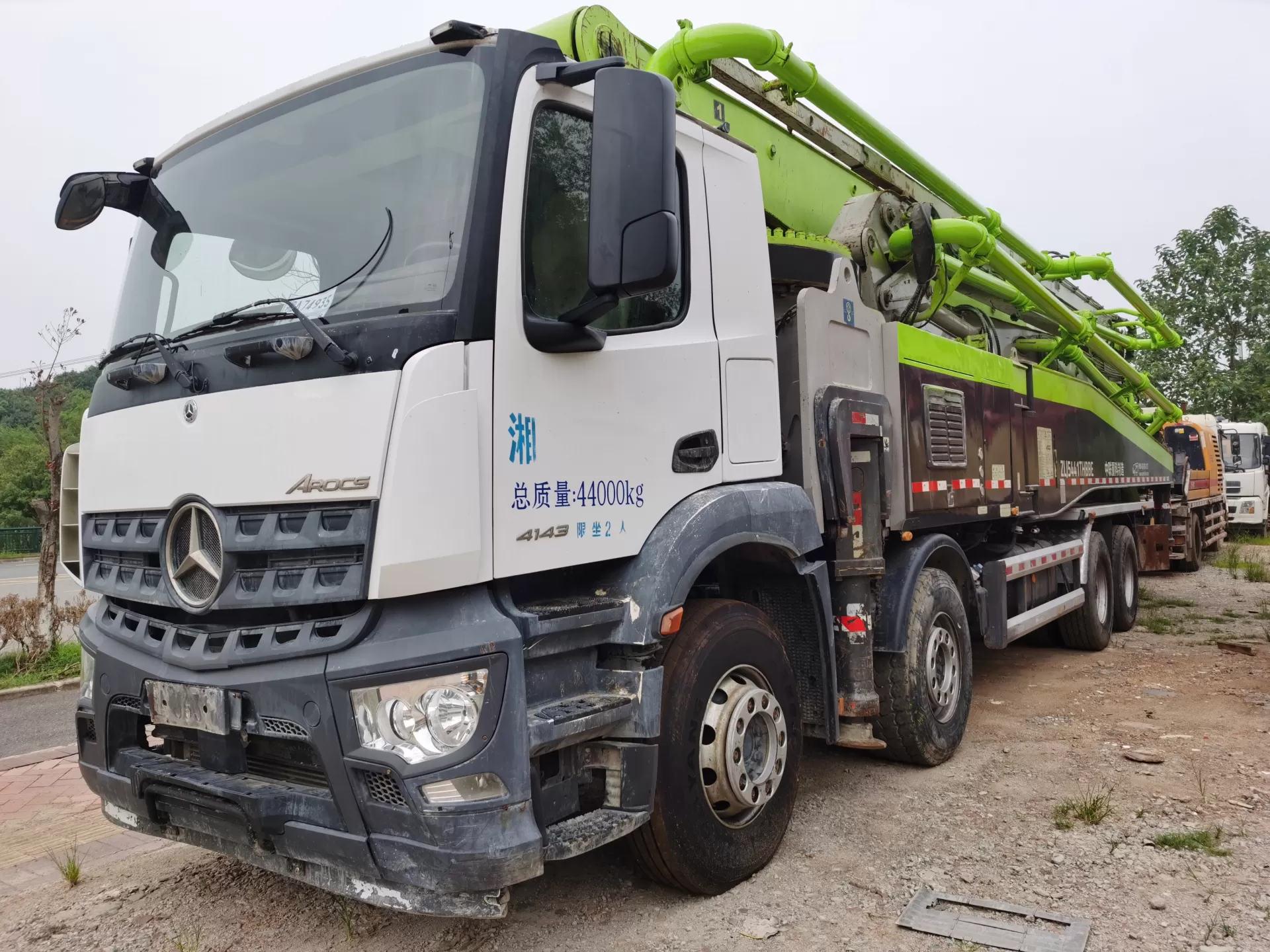
Could you provide more details and pricing for your concrete pump machinery?
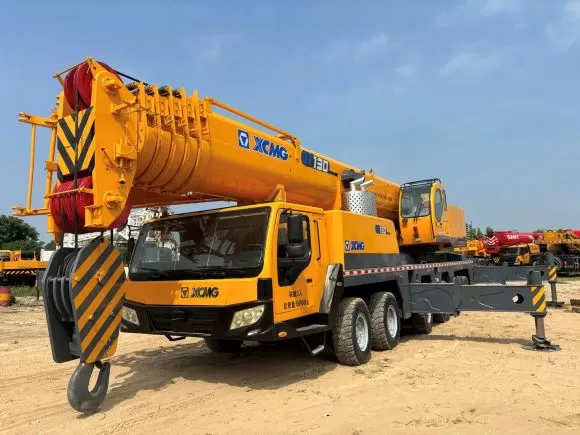
Need a mobile crane with powerful lifting capacity for your next job.

 EN
EN en
en FR
FR nl
nl ka
ka ru
ru fa
fa ar
ar az
az pl
pl uk
uk hy
hy tr
tr mk
mk de
de pt
pt el
el es
es it
it sq
sq ky
ky