Your preferred supplier of used construction heavy equipment

You are here: Products»Fork Lift
Specialized Fork Lift designed for cold storage environments ensure reliable performance in low temperatures. These models are equipped with insulated components and corrosion-resistant materials to withstand freezing conditions. They also feature heated cabins to ensure operator comfort. Fork Lift in cold storage applications must adhere to strict hygiene standards, often incorporating stainless steel components and easy-to-clean surfaces. By investing in purpose-built equipment, businesses in the food and pharmaceutical industries can maintain efficiency and comply with regulatory requirements.
The Fork Lift plays a key part in recycling. Facilities use it to handle scrap metal, paper bundles, and plastic bales that need to be compacted or shipped. Its use reduces manual handling of hazardous materials, improving workplace safety. Equipped with specialized clamps, the Fork Lift can move irregularly shaped waste items with ease. This application supports efficient recycling operations and contributes to sustainable material management practices.
Looking ahead, Fork Lift will be central to smart factories and logistics hubs. Predictive analytics will guide maintenance schedules, reducing downtime. Augmented reality displays could assist operators with real-time information about loads and routes. With urban centers demanding quieter operations, electric Fork Lift will gain traction for both indoor and outdoor applications. Enhanced safety features, such as collision avoidance sensors, will minimize workplace accidents. This change keeps the Fork Lift in line with Industry 4.0 standards.
The reliability of Fork Lift comes from thorough and consistent care. Daily walk-around checks help identify issues early, such as tire damage or loose connections. Hydraulic oil should be topped up and kept clean. Filters in the engine or battery cooling systems must be serviced regularly. Forks should be examined for bends that may affect load balance. Proper storage, such as sheltering from extreme weather, also extends life. A structured care routine ensures Fork Lift remain safe and productive assets.
Understanding load capacity and stability is crucial for safe Fork Lift operation. Each Fork Lift is designed with a specific load limit, detailed in the manufacturer’s guidelines. Exceeding this capacity can lead to accidents or equipment damage. Load stability is equally important, requiring proper positioning and securing of materials. Operators must be trained to assess load weights, distribution, and center of gravity to maintain balance during operation. Adhering to these principles ensures efficient and safe material handling, reducing the risk of workplace incidents.
Q: How long does it take to charge an electric forklift?
A: Charging times vary depending on the battery type, but most electric forklifts require 6-8 hours for a full charge, with quick-charge options available.
Q: What is the difference between counterbalance forklifts and reach trucks?
A: Counterbalance forklifts are versatile and suitable for outdoor and indoor use, while reach trucks are designed for narrow aisles and higher shelving in warehouses.
Q: Can I trade in my old forklift for a new one?
A: Yes, we offer trade-in programs where you can exchange your old forklift for credit towards a new purchase.
Q: Do you provide forklifts suitable for cold storage environments?
A: Yes, we offer forklifts specially designed for cold storage with features like anti-corrosion materials and insulated cabins to handle low-temperature conditions.
Q: What training or certification is required to operate a forklift?
A: Operators must complete certified training programs to meet local or international safety regulations. We can recommend accredited training providers in your area.
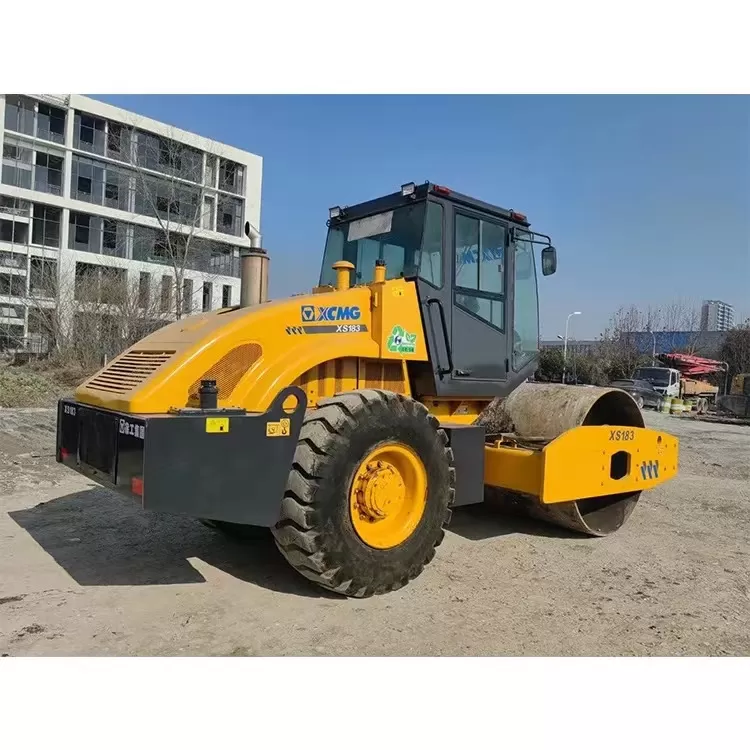
We’ve been using this roller for a while now, and the consistency of the finish it leaves is unbelievable.
Great compactor machine for road construction. Reliable and well-built.
To protect the privacy of our buyers, only public service email domains like Gmail, Yahoo, and MSN will be displayed. Additionally, only a limited portion of the inquiry content will be shown.
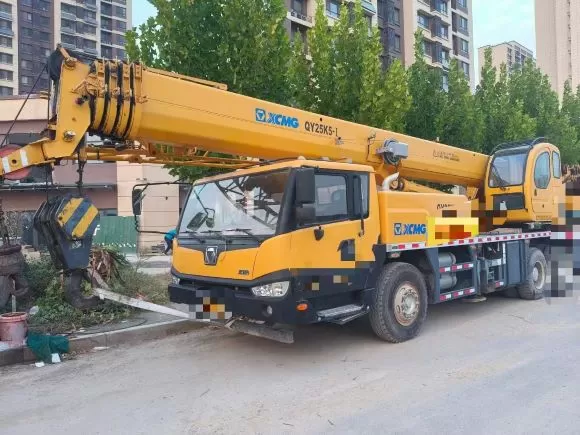
I'm looking for a reliable 50-ton crane. Can you share the price, availability, and shipping options...
Could you provide specifications and prices for your 3-ton and 5-ton forklifts? Are they available f...

 EN
EN en
en FR
FR nl
nl ka
ka ru
ru fa
fa ar
ar az
az pl
pl uk
uk hy
hy tr
tr mk
mk de
de pt
pt el
el es
es it
it sq
sq ky
ky