Your preferred supplier of used construction heavy equipment

You are here: Products»rotary piling machine
For industries that rely on drilling, the rotary piling machine offers a perfect balance of power and versatility. Its ability to tackle a range of materials and depths ensures that it can meet the diverse demands of projects like mineral exploration, well drilling, and even geothermal energy production. With its proven performance, the rotary piling machine continues to be a top choice in the drilling industry.
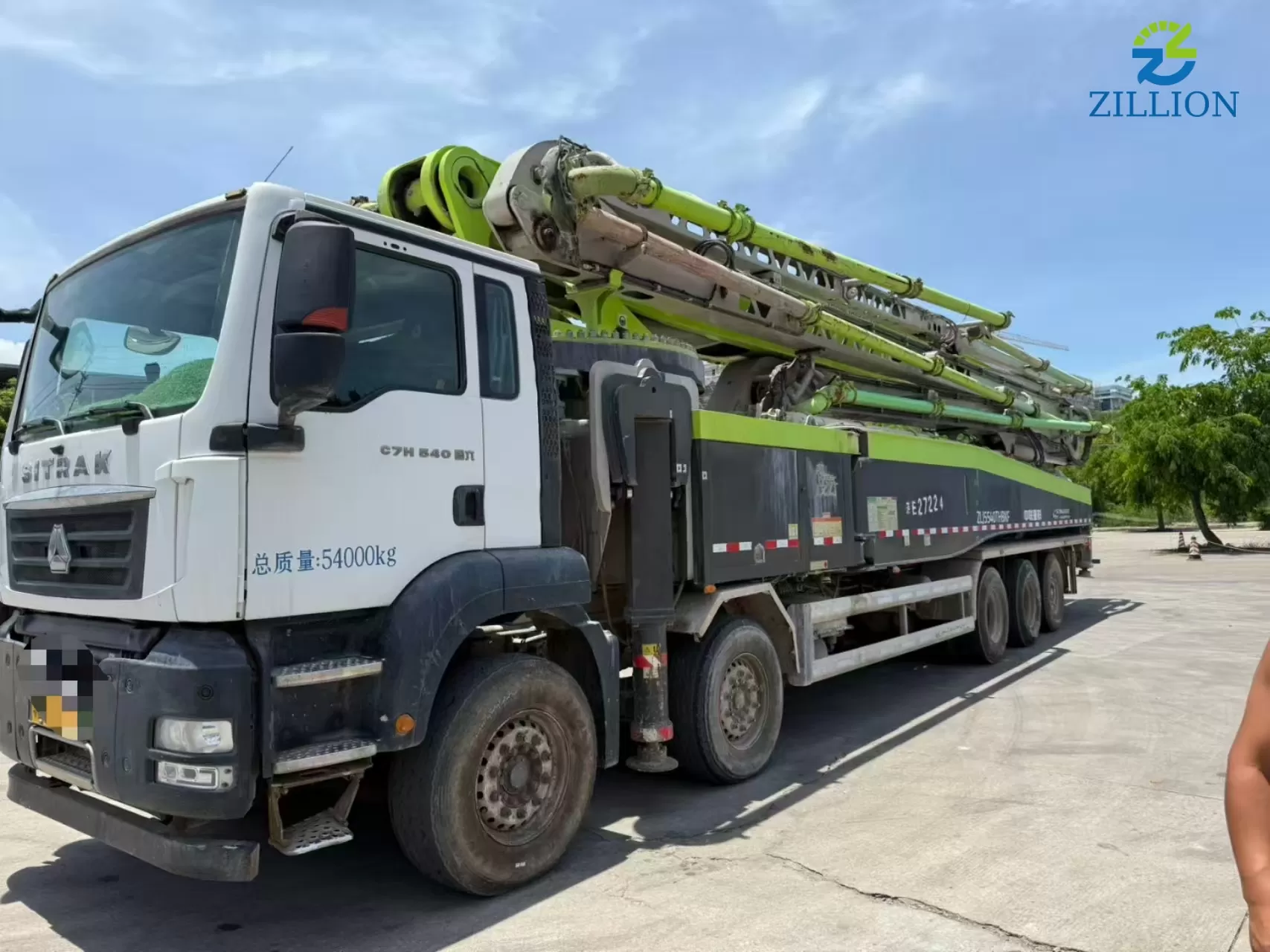
When it comes to power plant projects, rotary piling machine is often the first heavy machine to arrive on-site. Its main role is to prepare pile foundations that can handle massive loads over long operating lifespans. Whether the terrain is soft soil, gravel, or mixed strata, the rig’s adaptability helps engineers achieve precise depth and alignment. Without this equipment, the stability of large energy infrastructure would be far more difficult to guarantee.
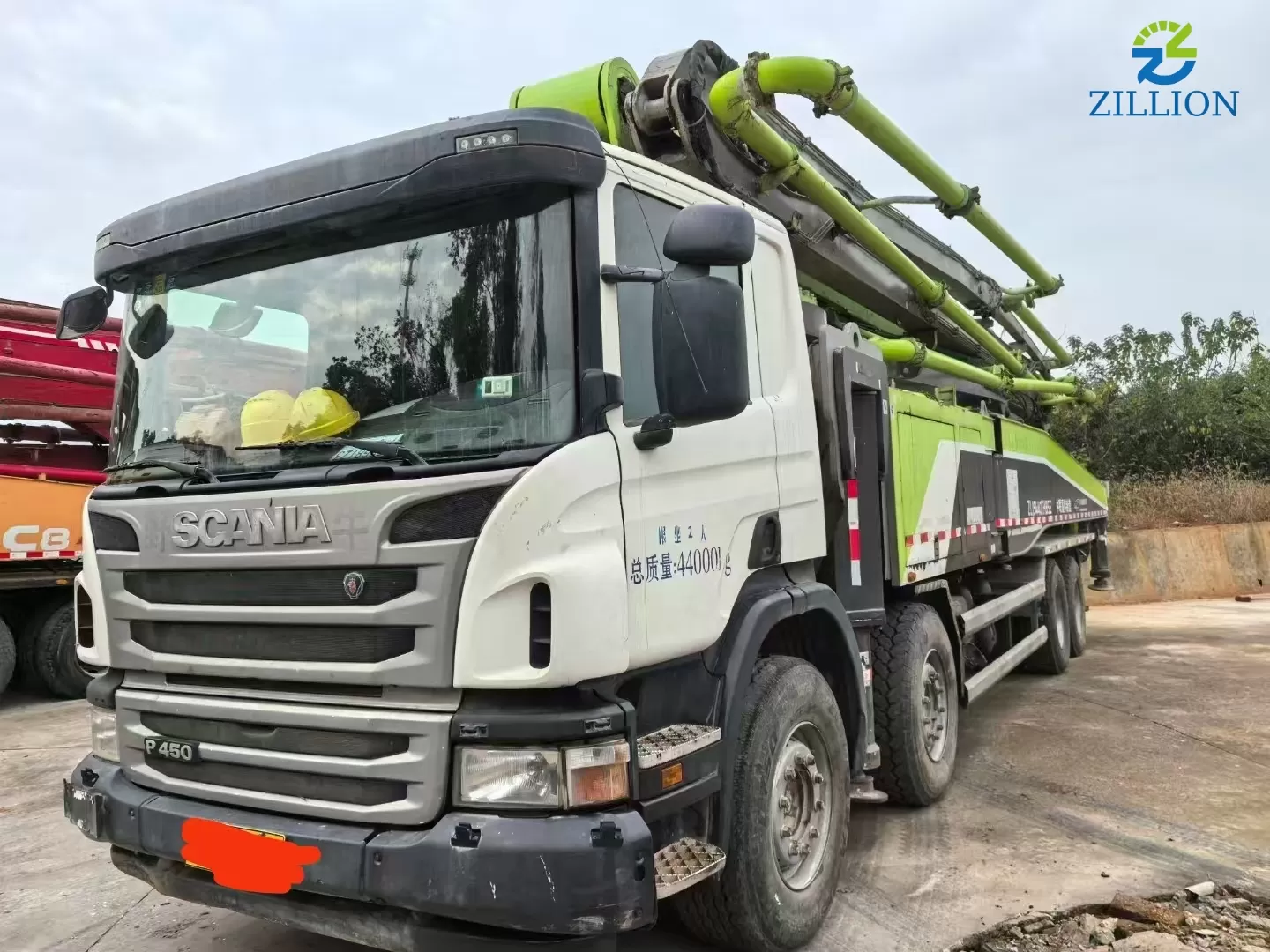
As global cities continue to grow vertically and underground, the demand for powerful, precise rotary piling machine will intensify. Future rigs will be designed to handle denser urban environments, drilling deep foundations without disturbing surrounding structures. Compact yet powerful designs will become more common, balancing maneuverability with drilling depth. These innovations will be essential for megacities building transport tunnels, subways, and skyscrapers. The new rigs will keep playing a big role in shaping the cities of the future.
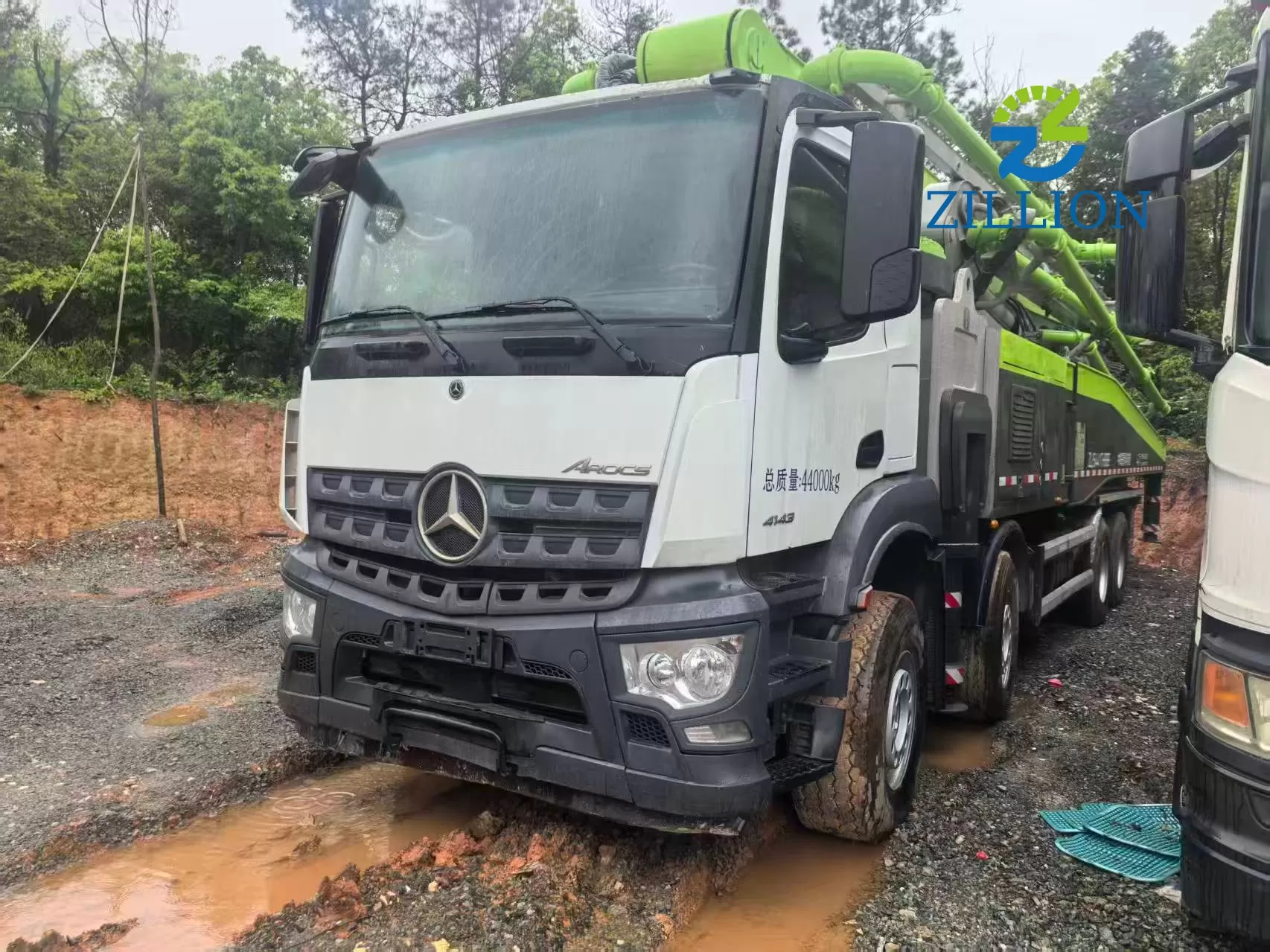
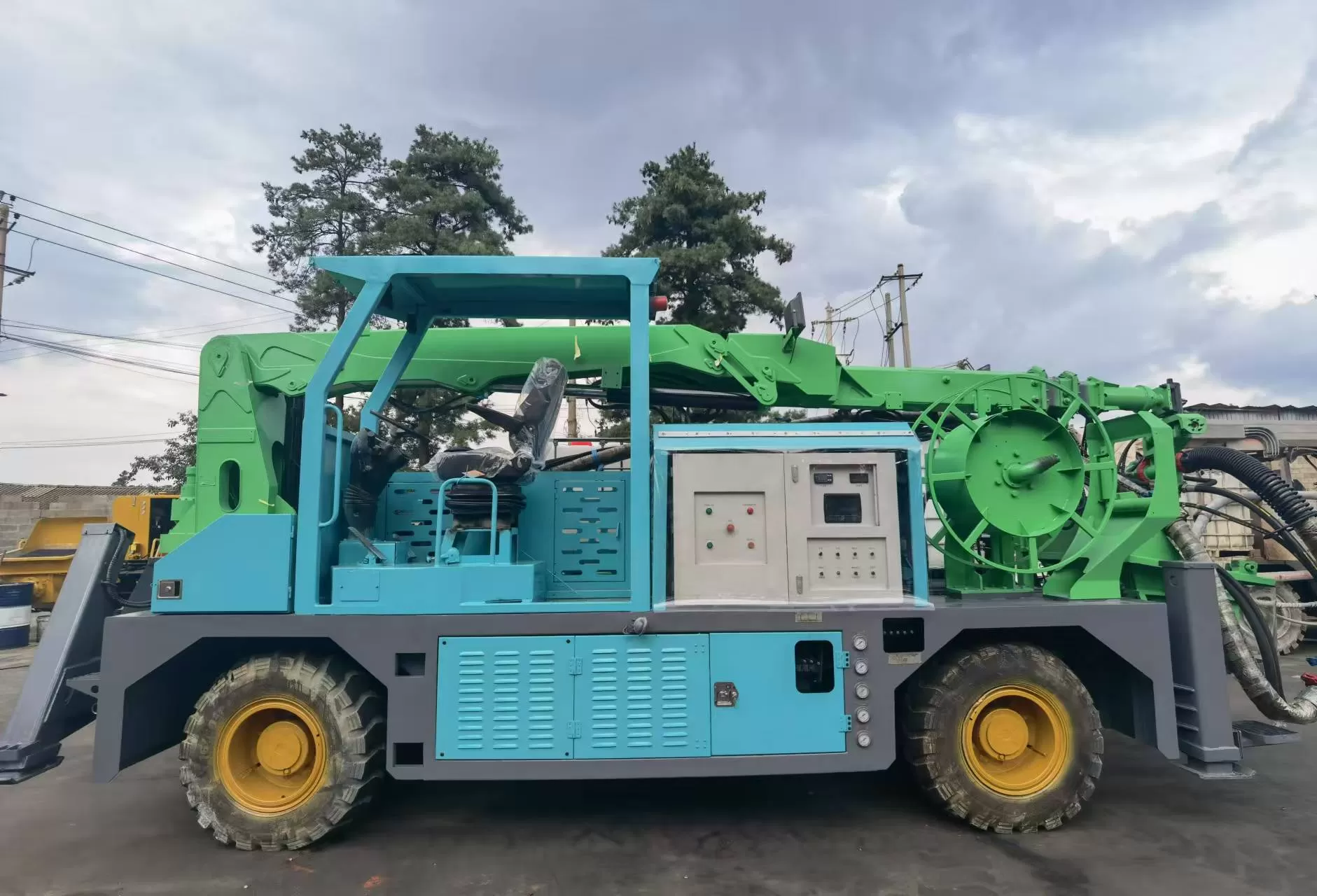
Electrical and control systems of rotary piling machine require careful monitoring. Operators should test sensors, display panels, and safety switches regularly. Moisture, dust, or vibration can affect their reliability, so protective covers and sealed wiring should be maintained in good condition. Keeping the electronics functioning properly not only enhances performance but also improves workplace safety. Preventive attention to the control system avoids sudden stoppages during drilling.
The rotary piling machine is engineered for high-performance drilling in tough geological formations. Featuring a rotating drill bit, this machine allows for deep penetration, making it ideal for constructing wells or extracting minerals. Its versatility and durability make it a preferred choice for large-scale drilling projects.
Q: What are the maintenance requirements for a Rotary Drilling Rig?
A: Regular maintenance includes checking and replacing drill bits, lubricating moving parts, monitoring fluid levels, and ensuring the engine and control systems are functioning properly to prevent downtime.
Q: How much weight can a Rotary Drilling Rig handle?
A: The weight capacity of a Rotary Drilling Rig depends on the model, but they are generally designed to handle heavy loads, including large drill rods, equipment, and even large amounts of drilling fluid.
Q: Is a Rotary Drilling Rig efficient for use in offshore drilling?
A: Yes, some Rotary Drilling Rigs are specifically designed for offshore applications, with reinforced structures to handle the challenging conditions of drilling in deep waters or on platforms.
Q: How do you choose the right Rotary Drilling Rig for a project?
A: The right rig depends on factors like the depth of drilling, geological conditions, the type of material being drilled, and the scope of the project. Consulting with an expert or manufacturer is often recommended.
Q: Are there safety features built into a Rotary Drilling Rig?
A: Yes, modern Rotary Drilling Rigs come with several safety features, including automatic shutdown mechanisms, safety cages, and pressure monitoring to ensure safe operations and prevent accidents.
Great compactor machine for road construction. Reliable and well-built.
The reach stacker has been fantastic for stacking containers in our yard.
To protect the privacy of our buyers, only public service email domains like Gmail, Yahoo, and MSN will be displayed. Additionally, only a limited portion of the inquiry content will be shown.
Please share details about your road rollers, especially models suitable for heavy-duty construction...
I would like to inquire about the availability and pricing of your excavators

 EN
EN en
en FR
FR nl
nl ka
ka ru
ru fa
fa ar
ar az
az pl
pl uk
uk hy
hy tr
tr mk
mk de
de pt
pt el
el es
es it
it sq
sq ky
ky