Your preferred supplier of used construction heavy equipment

You are here: Products»rotary head drilling
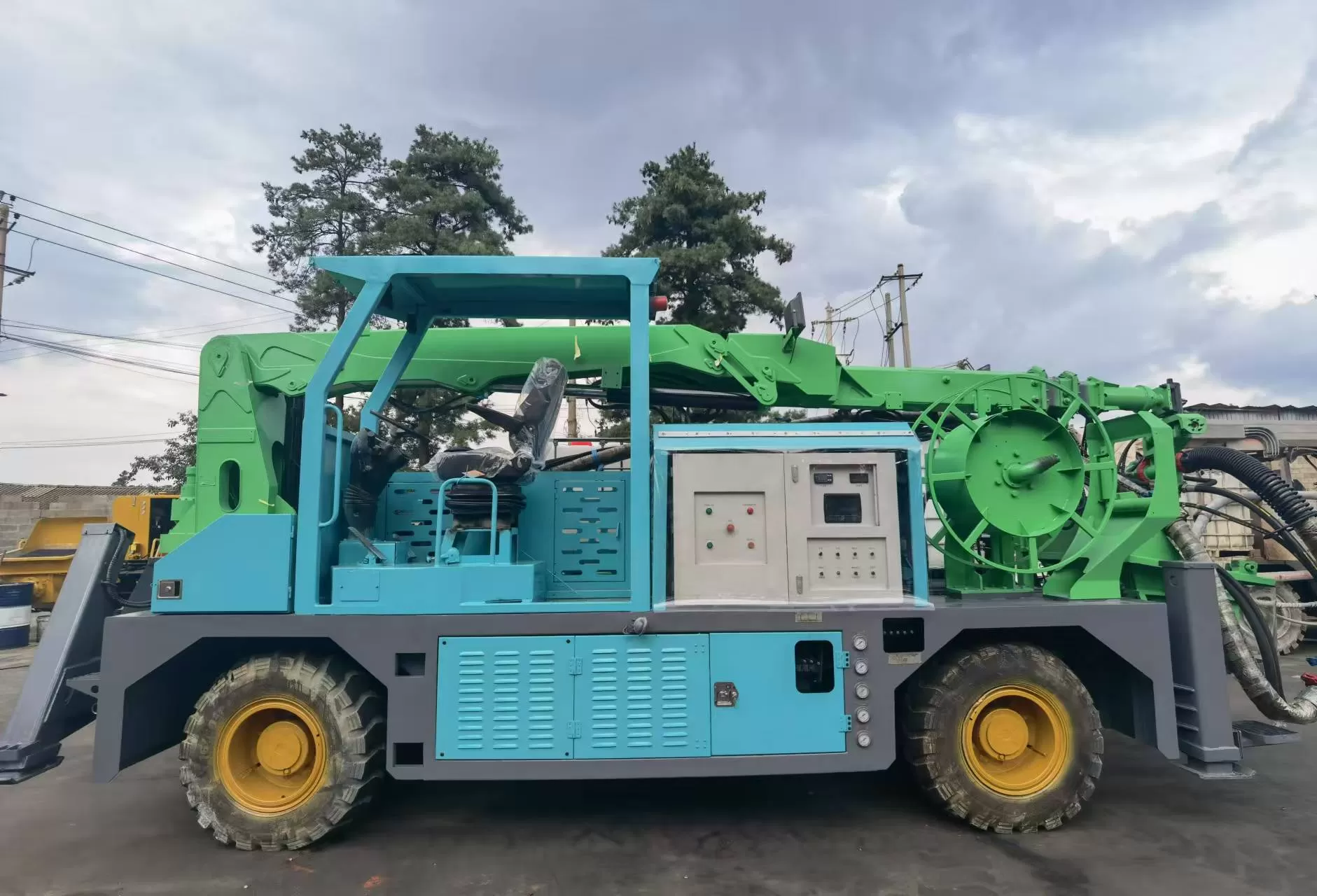
The versatility of the rotary head drilling extends beyond just drilling. It can be used for various tasks, including soil testing, well installations, and foundation work. Thanks to its customizable attachments and tools, the rotary head drilling can be adapted to meet the specific requirements of different industries, whether in the energy sector or civil engineering.
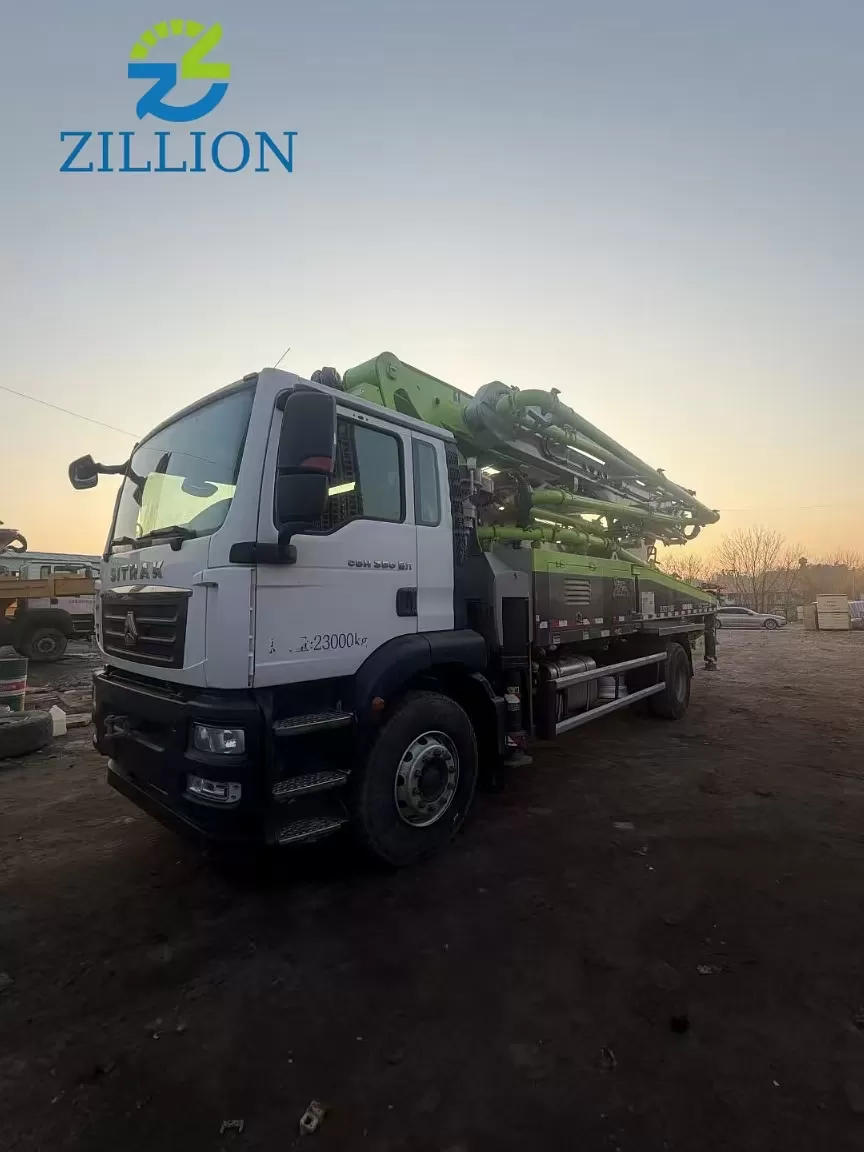
rotary head drilling is a key machine in wind farm construction. Turbine towers are tall and exposed to strong winds, requiring foundations drilled deep into rock or soil layers. The rig enables fast and accurate installation of piles, supporting renewable energy development worldwide. As wind power capacity grows, reliance on such drilling rigs is expected to rise steadily.
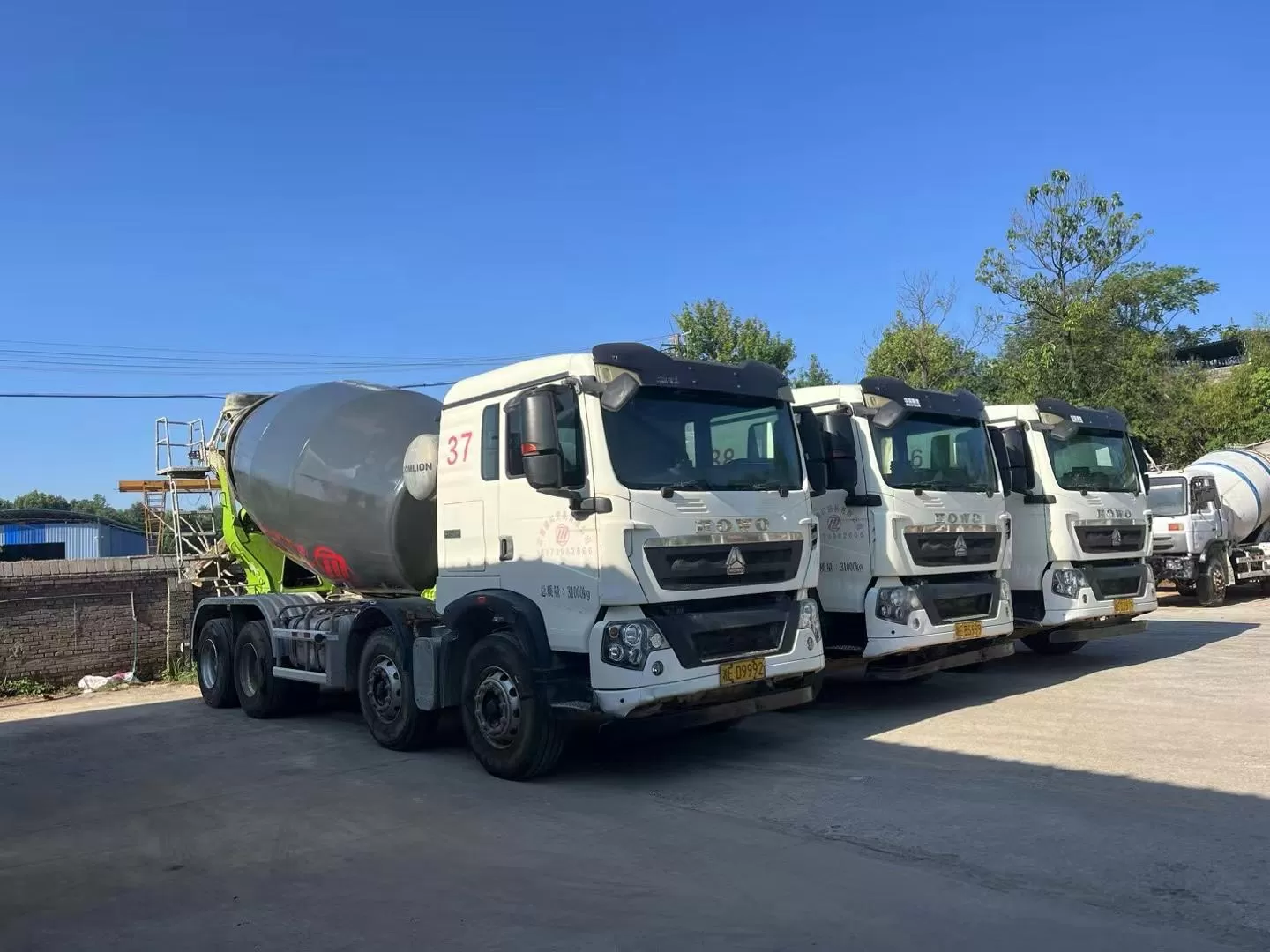
Another aspect of the future of rotary head drilling lies in remote operation and telecontrol technology. Safety concerns on hazardous sites, such as unstable ground or contaminated areas, make human-free drilling more attractive. With 5G networks and advanced camera systems, operators will control rigs from safe distances or even centralized control rooms. This change will enhance worker safety, cut site risks, and allow multiple rigs to be overseen simultaneously. Such remote capabilities will define how projects are managed in the future.
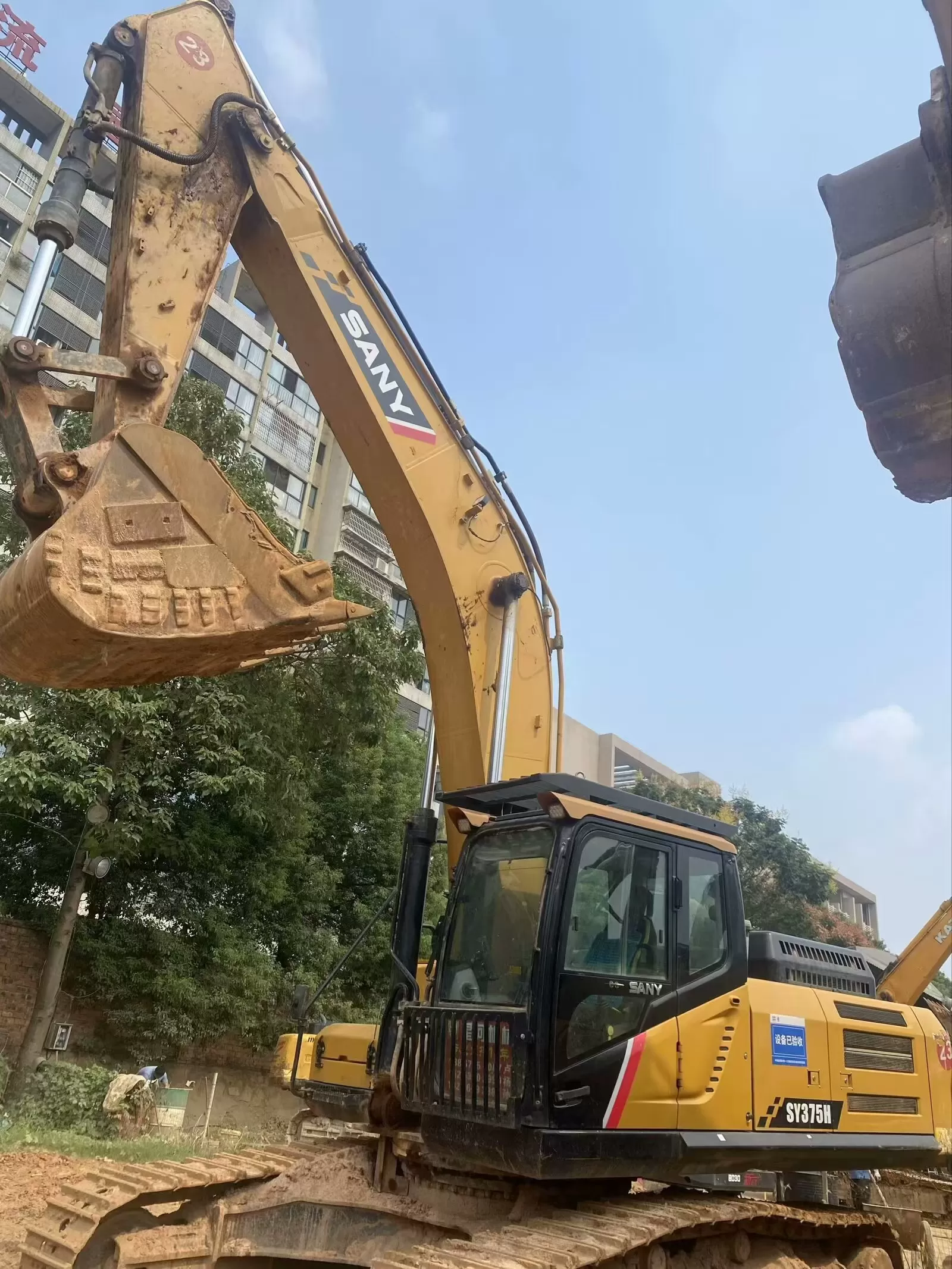
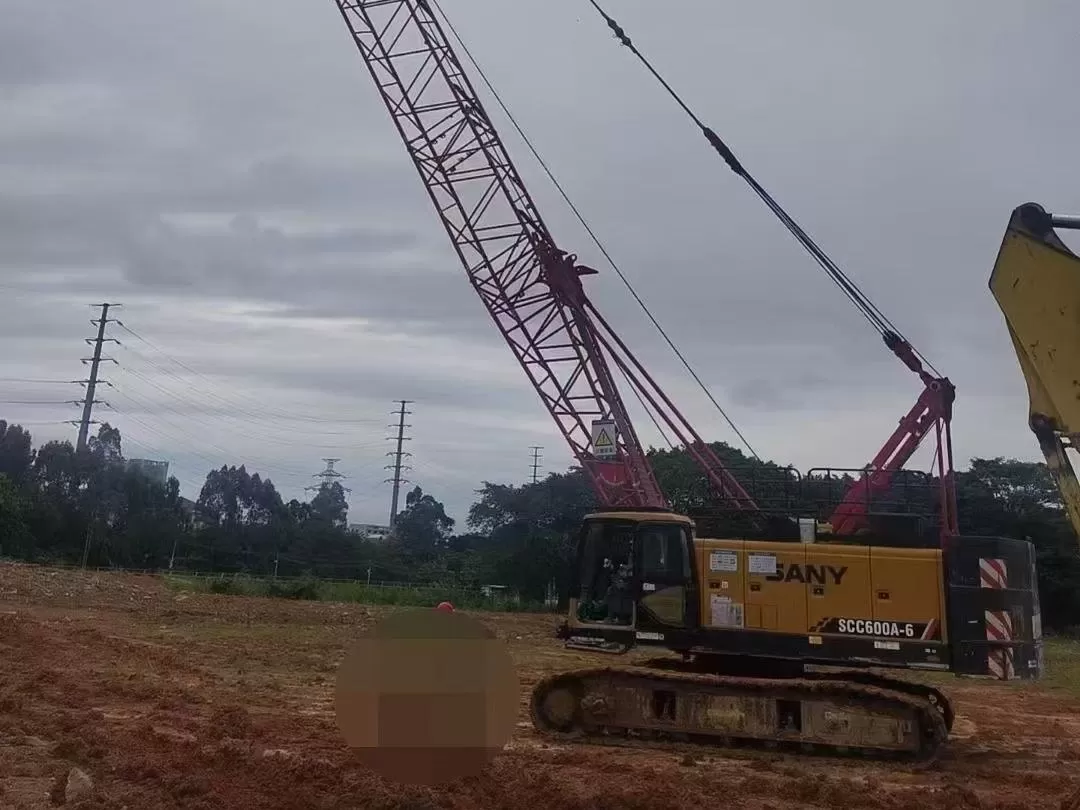
The undercarriage of rotary head drilling endures constant stress during operation. Regularly inspecting the track for any signs of wear, loose bolts, or buildup of too much mud is really important. Cleaning tracks after work prevents premature damage, while timely replacement of worn components ensures stability during drilling. Because uneven terrain can accelerate wear, operators must pay extra attention when rigs work in rough ground conditions. A well-maintained undercarriage provides stability and safety.
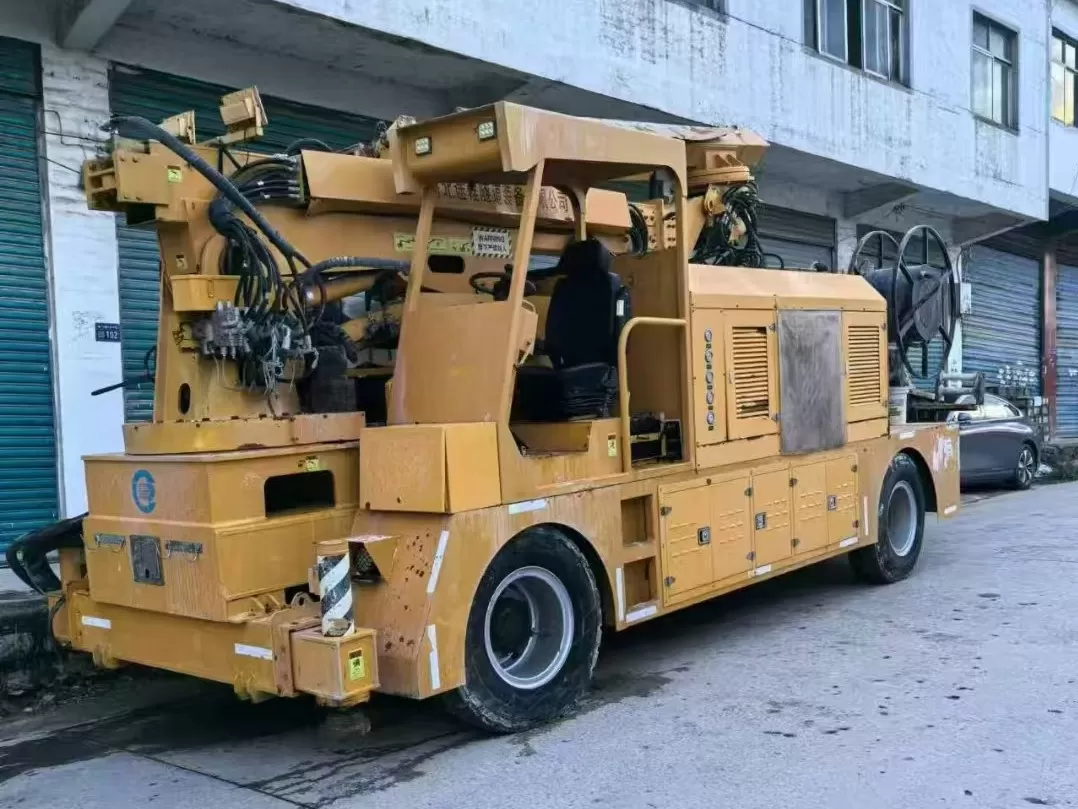
The rotary head drilling is engineered for high-performance drilling in tough geological formations. Featuring a rotating drill bit, this machine allows for deep penetration, making it ideal for constructing wells or extracting minerals. Its versatility and durability make it a preferred choice for large-scale drilling projects.
Q: What makes a Rotary Drilling Rig suitable for challenging geological formations?
A: The rotating motion and specialized drill bits make it capable of penetrating hard rock formations and dense soils, enabling drilling in tough conditions where other rigs may struggle.
Q: Can a Rotary Drilling Rig be used for environmental drilling projects?
A: Yes, a Rotary Drilling Rig can be used for environmental projects like groundwater sampling, environmental monitoring, and contamination remediation due to its accuracy and depth capabilities.
Q: How does the efficiency of a Rotary Drilling Rig compare to other drilling methods?
A: Rotary Drilling Rigs are generally faster and more efficient than other methods, such as cable tool drilling, due to their continuous rotation and ability to handle tougher formations.
Q: What is the primary advantage of using a Rotary Drilling Rig in the oil and gas industry?
A: In oil and gas, the ability to drill deep and precisely is critical for tapping into reserves. The Rotary Drilling Rig’s power and adaptability make it ideal for this industry, where precise and efficient drilling is necessary.
Q: Are Rotary Drilling Rigs customizable?
A: Rotary drilling rigs can be fitted with different attachments and drill bits, depending on what’s needed. For example, they can be used for soil testing, setting up wells, or exploring underground conditions.
The excavator works flawlessly and exceeded my expectations. Highly recommended!
The reach stacker has been fantastic for stacking containers in our yard.
To protect the privacy of our buyers, only public service email domains like Gmail, Yahoo, and MSN will be displayed. Additionally, only a limited portion of the inquiry content will be shown.
Could you provide the specifications and pricing for your stationary concrete pumps? Are spare parts...
I'm interested in dump trucks for construction use. Can you send me details on engine capacity and l...

 EN
EN en
en FR
FR nl
nl ka
ka ru
ru fa
fa ar
ar az
az pl
pl uk
uk hy
hy tr
tr mk
mk de
de pt
pt el
el es
es it
it sq
sq ky
ky