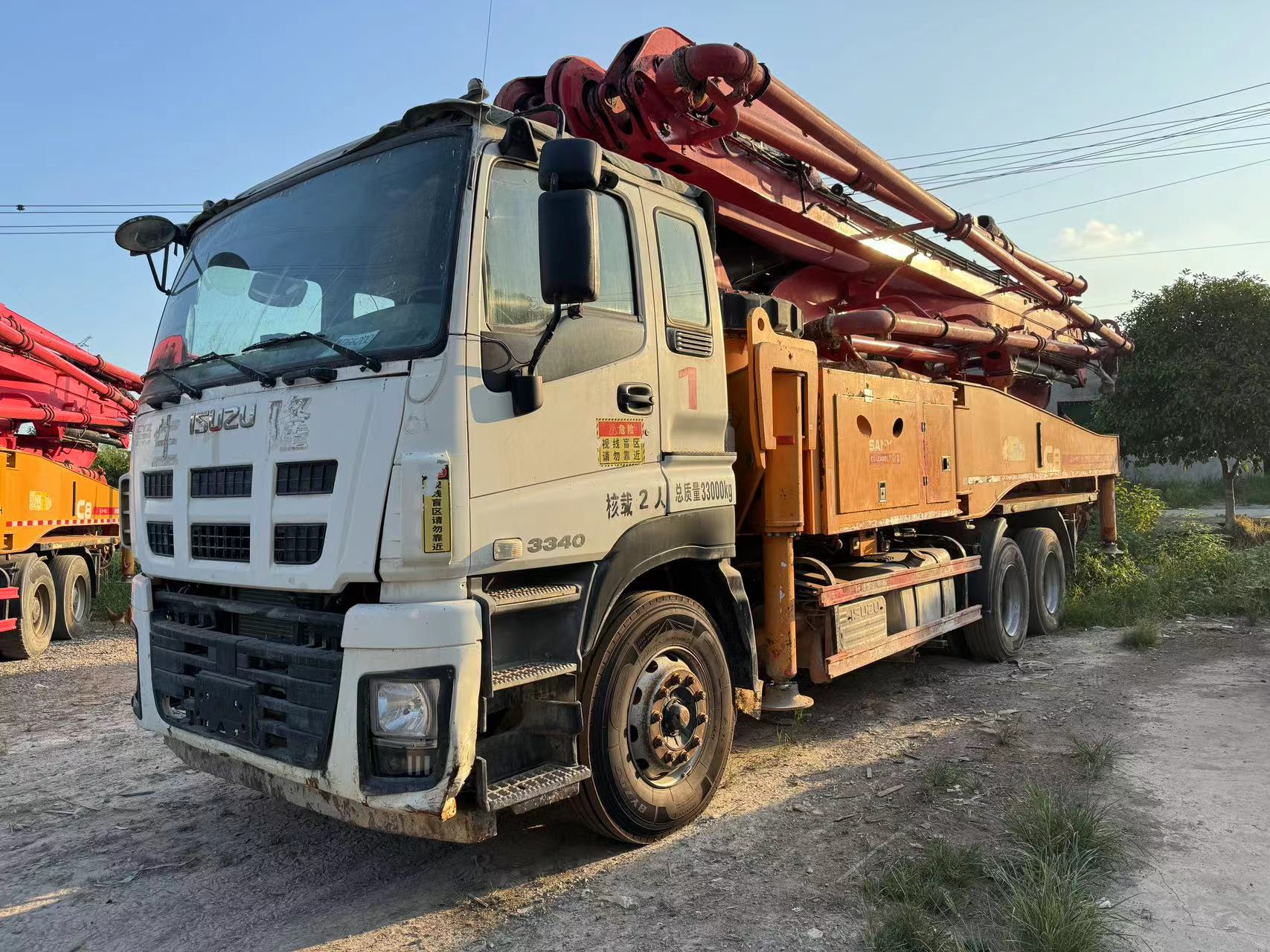
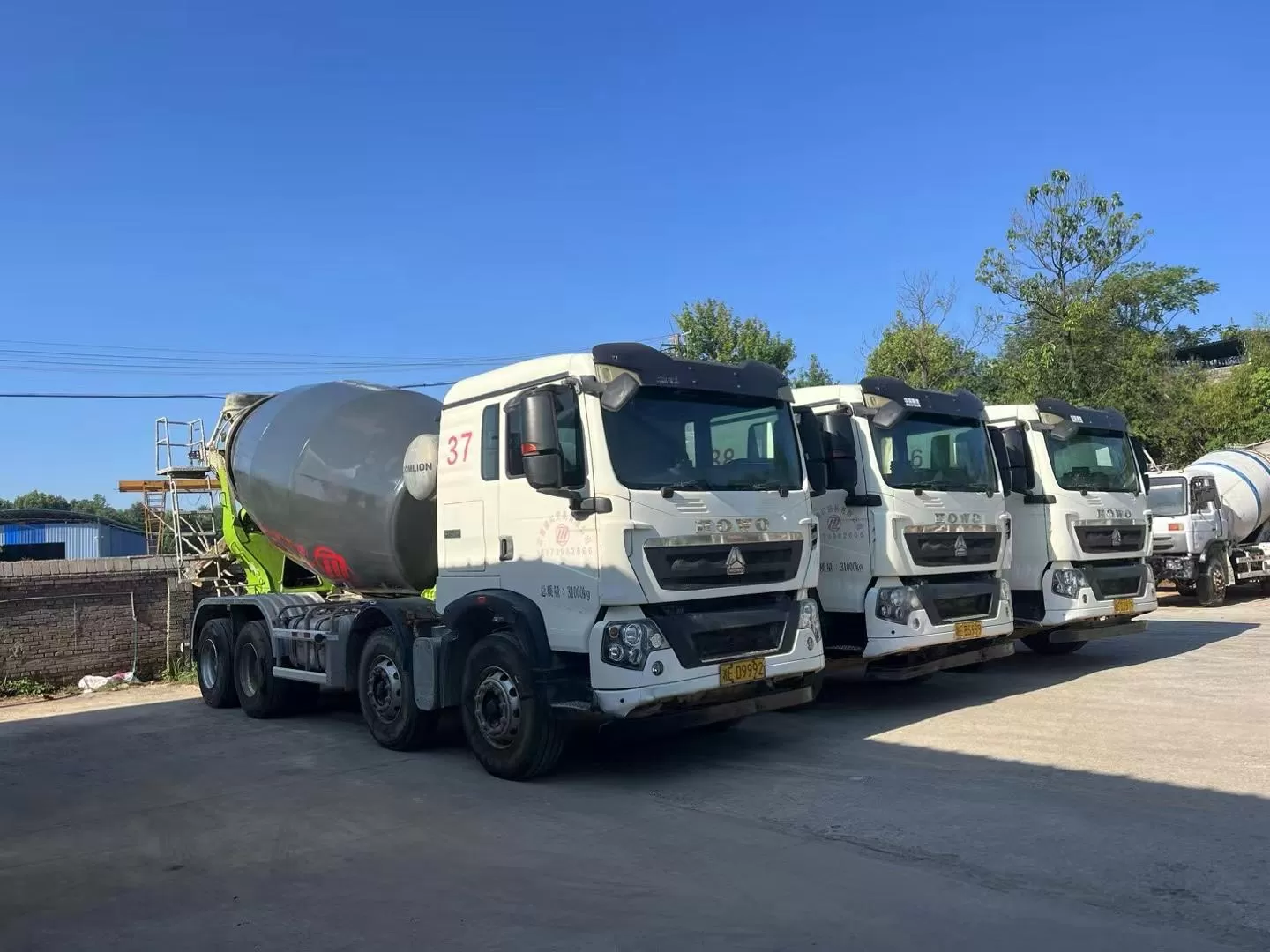
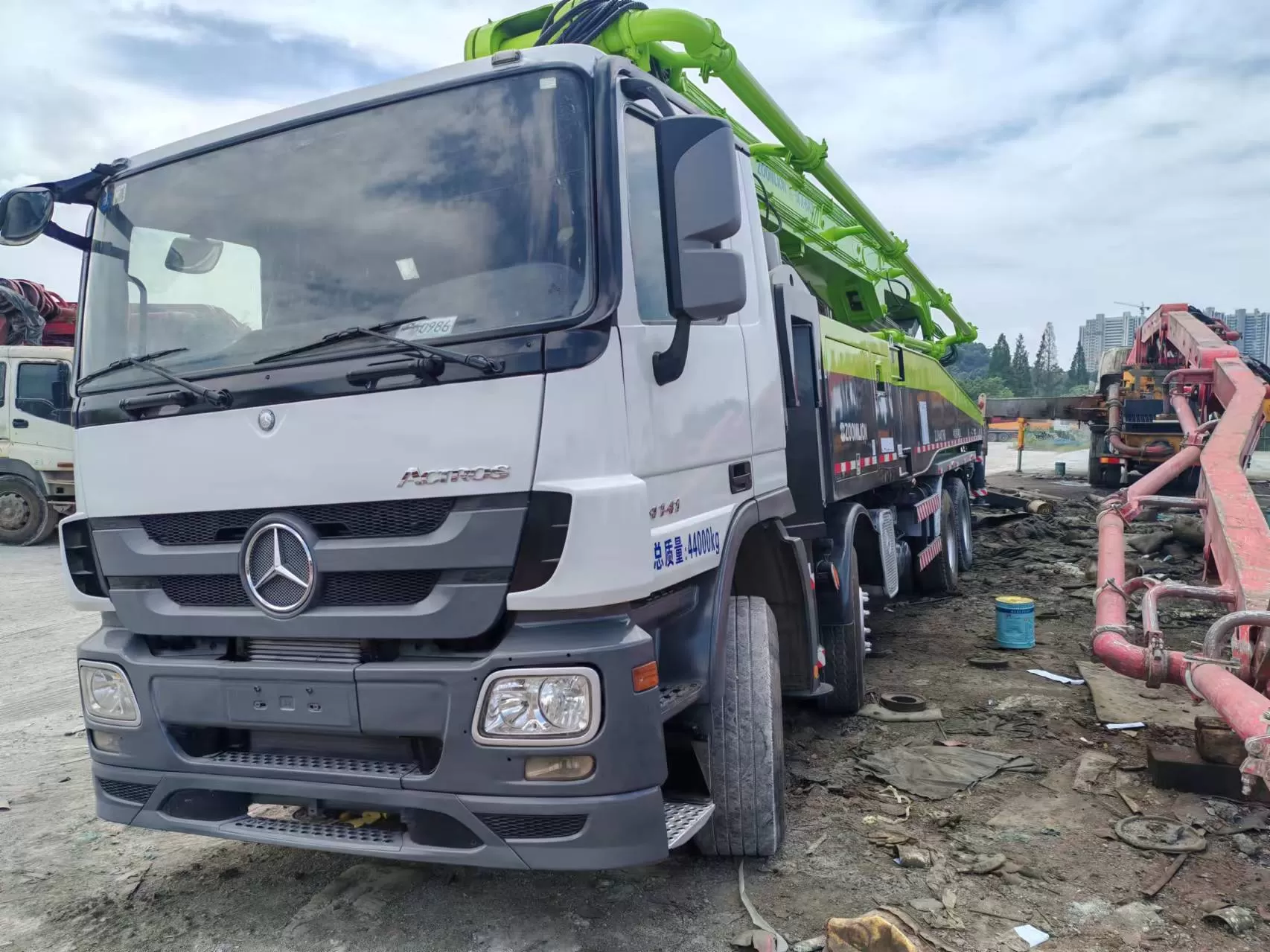
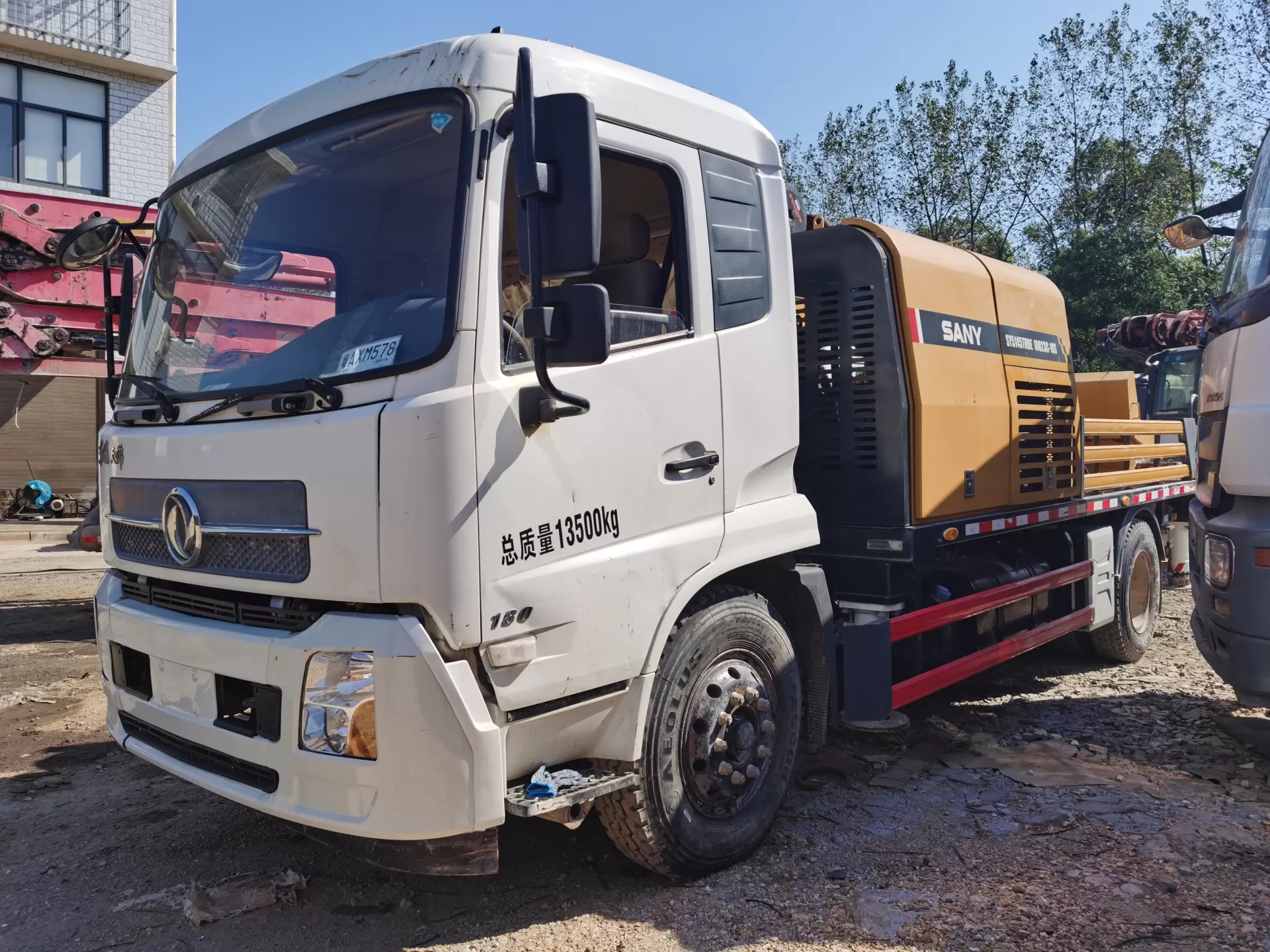
Your preferred supplier of used construction heavy equipment

You are here: Products»ridge stacker
The ridge stacker is equipped with a variety of safety features to protect both operators and the surrounding environment. With a system that prevents tipping and ensures stability even during heavy lifts, it can safely handle containers with minimal risk. Advanced sensors and load monitoring systems further ensure the safety of the equipment and the operators, providing peace of mind during daily operations.
In inland depots and dry ports, ridge stacker is widely used to manage container storage. Its ability to stack containers up to five high maximizes limited space, allowing facilities to store more cargo in compact areas. This helps operators lower storage costs while maintaining quick access to any container. The adaptability of reach stackers is particularly valuable in landlocked regions where port capacity is limited.
Artificial intelligence will heavily influence the evolution of ridge stacker. Future models will analyze container weights, dimensions, and stacking patterns to optimize yard layouts automatically. By reducing unnecessary moves, terminals will increase throughput and save on energy. AI-powered stackers will totally change how global logistics run, making decisions smarter and processes smoother than ever.
Training operators is an important part of ridge stacker maintenance. Skilled drivers know how to reduce stress on components, avoid overloading, and recognize early signs of malfunction. Regular refresher training ensures proper handling practices are followed, which lowers repair costs and keeps operations safe.
For container handling operations that require speed and reliability, the ridge stacker is an essential piece of equipment. It features a long reach and high lifting capacity, making it perfect for unloading and stacking containers in both small and large ports. The ridge stacker’s ability to handle containers efficiently and safely makes it a preferred machine in many industrial sectors.
Q: Can a Reach Stacker be used in tight spaces? A: Yes, Reach Stackers are designed to work efficiently in tight spaces. Their compact design and advanced maneuverability allow operators to move containers in narrow aisles or limited space environments. Q: Is a Reach Stacker suitable for outdoor use? A: Absolutely! Reach Stackers are built to handle outdoor environments, including harsh weather conditions. They’re built tough so they can keep working in ports, container yards, and outside areas where logistics happen. Q: How does a Reach Stacker maintain stability when lifting heavy containers? A: Reach Stackers are equipped with counterweights and a sturdy chassis to ensure stability during lifting operations. Their hydraulic system provides smooth and controlled movements to prevent tipping. Q: Are Reach Stackers equipped with safety features? A: Yes, Reach Stackers come with a variety of safety features, including automatic load monitoring, stability control systems, and operator protection mechanisms. These ensure safe operation during container handling tasks. Q: How long does a Reach Stacker last? A: With proper maintenance, a Reach Stacker can last for 15 to 20 years, depending on usage. Regular servicing and upkeep are essential for maximizing the machine's lifespan.
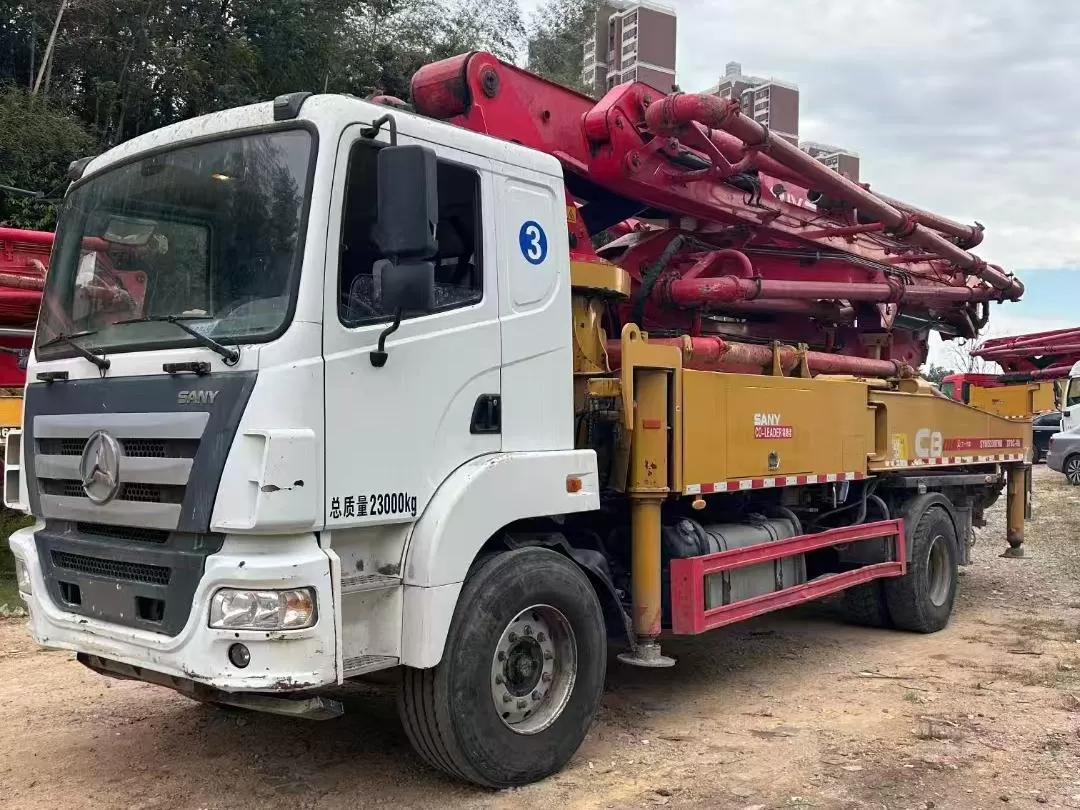
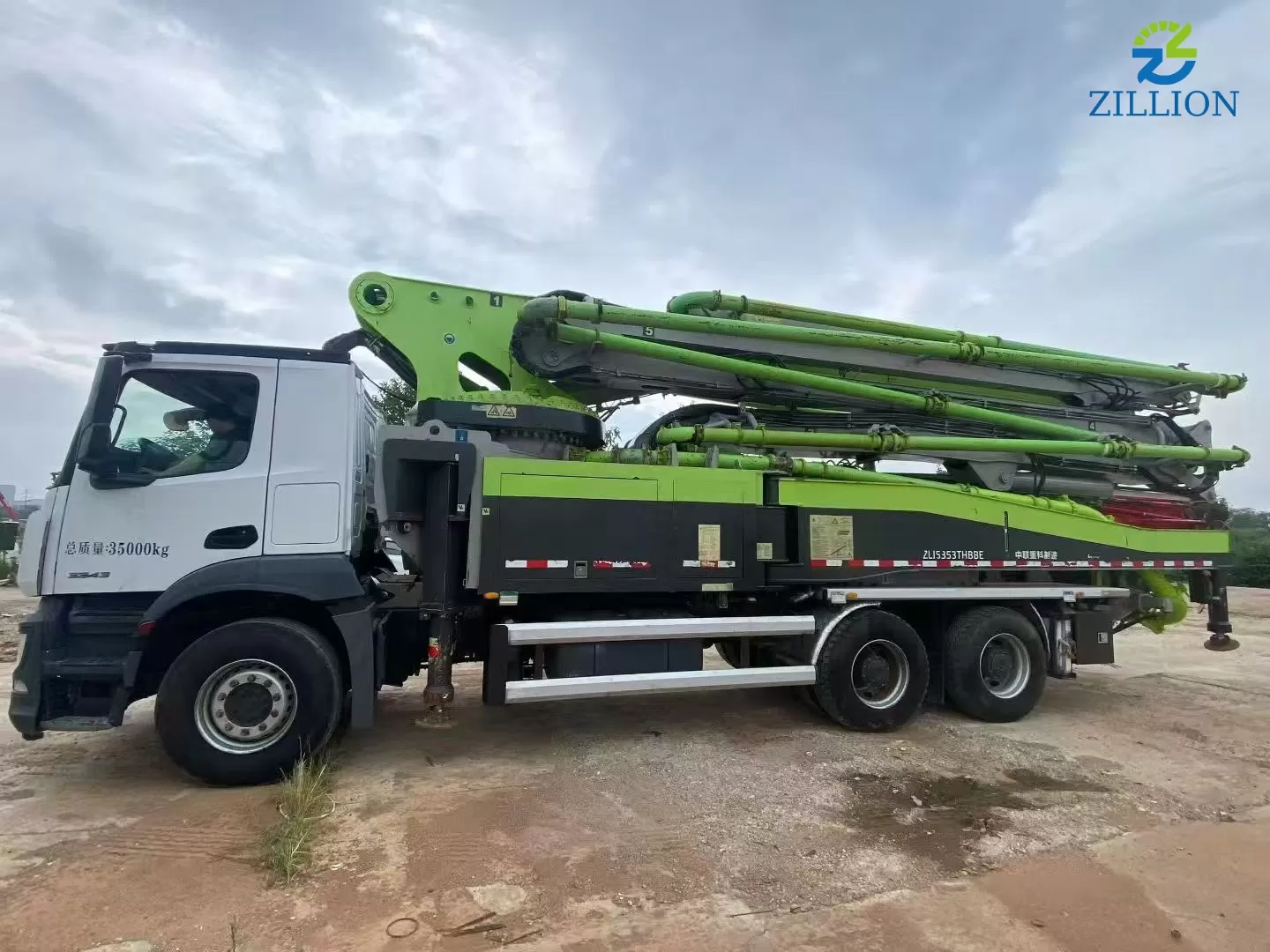
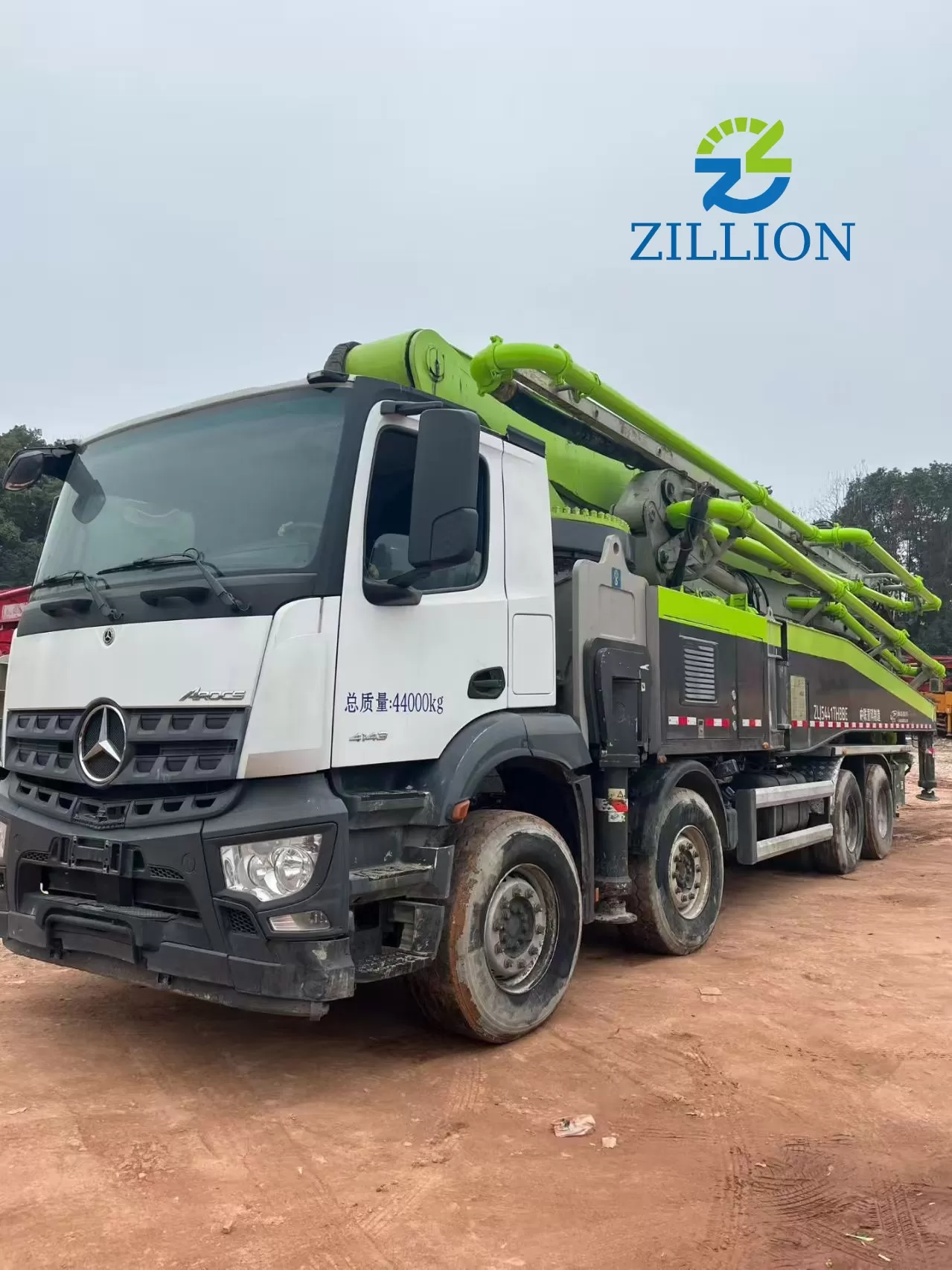
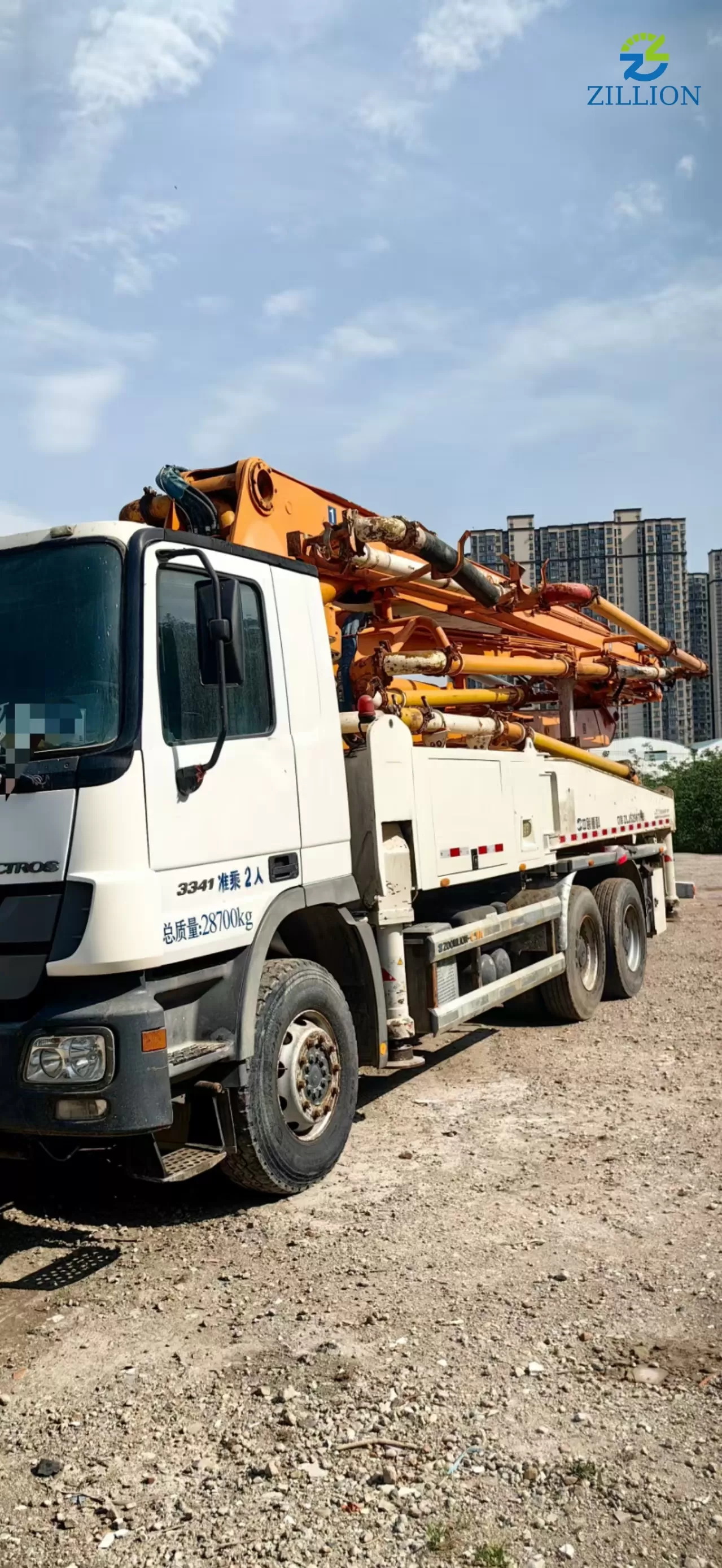
The concrete pump is efficient and easy to maintain. Worth every penny.
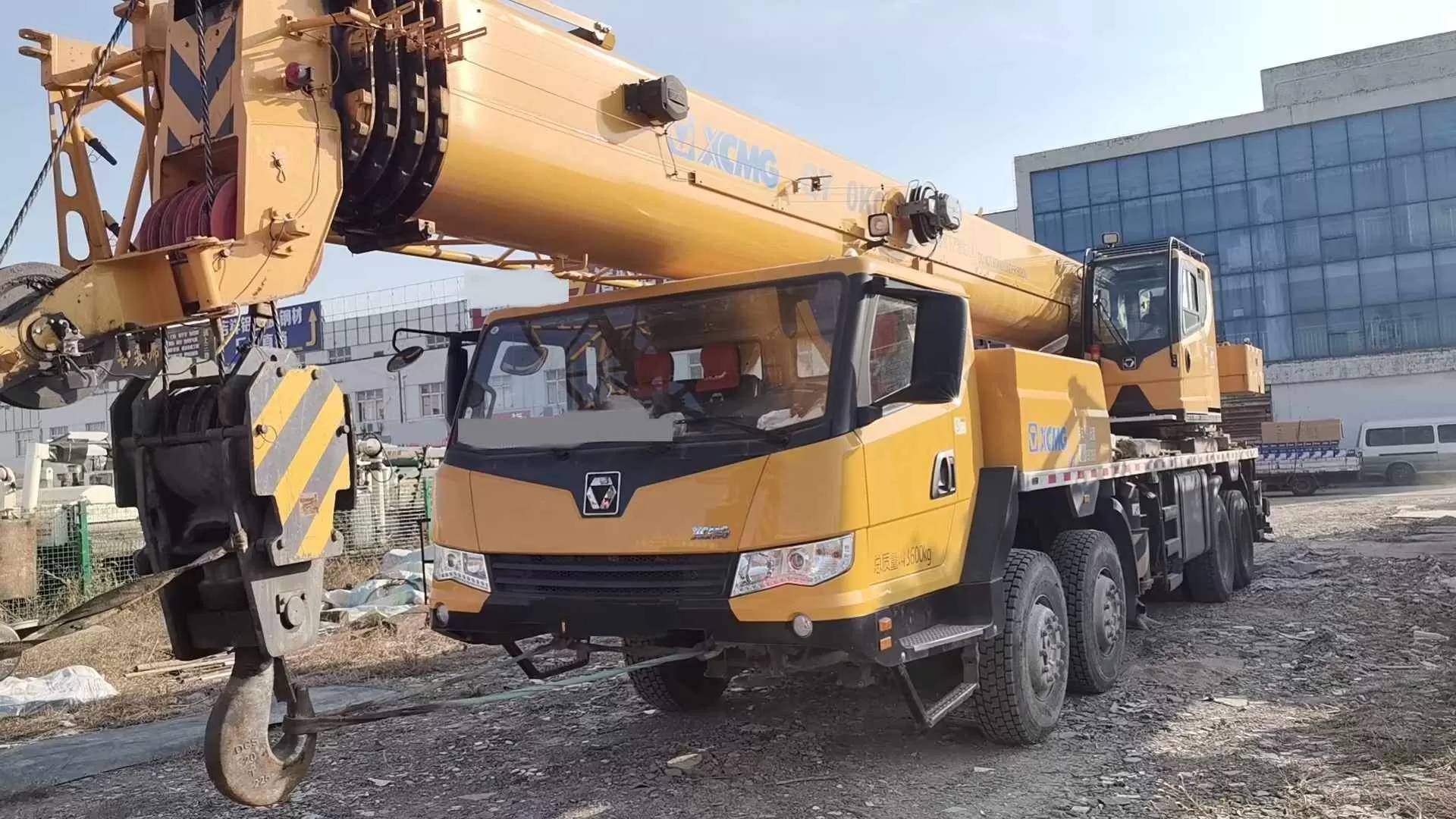
The mobile crane is an outstanding piece of equipment. Its maneuverability and lifting capabilities have helped us complete jobs faster and more efficiently.
To protect the privacy of our buyers, only public service email domains like Gmail, Yahoo, and MSN will be displayed. Additionally, only a limited portion of the inquiry content will be shown.
I'm looking for a reliable 50-ton crane. Can you share the price, availability, and shipping options...
I would like to inquire about the availability and pricing of your excavators

 EN
EN en
en FR
FR nl
nl ka
ka ru
ru fa
fa ar
ar az
az pl
pl uk
uk hy
hy tr
tr mk
mk de
de pt
pt el
el es
es it
it sq
sq ky
ky