Your preferred supplier of used construction heavy equipment

You are here: Products»reach stacker capacity
The reach stacker capacity is equipped with a variety of safety features to protect both operators and the surrounding environment. With a system that prevents tipping and ensures stability even during heavy lifts, it can safely handle containers with minimal risk. Advanced sensors and load monitoring systems further ensure the safety of the equipment and the operators, providing peace of mind during daily operations.
For bonded warehouses and customs areas, reach stacker capacity offers efficient handling of containers awaiting clearance. Its precision in stacking and retrieving cargo ensures smooth inspection processes and reduces congestion in restricted zones. Operators value the reliability of reach stackers when managing goods under strict customs control, as they combine maneuverability with high lifting performance.
The next generation of reach stacker capacity is expected to integrate advanced automation. Self-driving functions and intelligent sensors will allow machines to move containers without direct human control. This will improve safety in busy terminals and reduce accidents caused by human error. Fully automated container yards are no longer just a concept, and reach stackers will play a central role in making them a reality.

Cooling systems in reach stacker capacity must never be neglected. Radiators, coolant levels, and fans should be inspected to prevent overheating. Blockages from dust or waste reduce efficiency, especially in hot climates. Keeping the system clean ensures the engine and hydraulics operate at optimal temperatures, avoiding serious damage.
Ports and container yards really get a boost with the reach stacker capacity. It combines advanced hydraulic systems with an extended reach to lift and move containers with ease. Whether loading cargo onto ships or stacking containers in a yard, the reach stacker capacity boosts productivity and ensures that operations run smoothly, even during peak hours.
Q: Can a Reach Stacker be used for other types of lifting beyond containers? A: Yes, while primarily designed for containers, a Reach Stacker can be adapted for other lifting tasks. By switching attachments, it can handle other heavy materials such as large equipment or construction materials. Q: How does a Reach Stacker improve operational efficiency? A: The Reach Stacker improves operational efficiency by reducing the time spent on lifting and stacking containers. Its ability to handle large volumes of containers in a short time leads to faster turnaround times in busy port environments. Q: What is the lifespan of a Reach Stacker’s hydraulic system? A: With proper maintenance, the hydraulic system of a Reach Stacker can last up to 10-15 years. Regular servicing and checks ensure the system remains in optimal condition, reducing the risk of breakdowns. Q: Are Reach Stackers customizable for specific tasks? A: Yes, Reach Stackers can be customized with different attachments, such as container spreaders, forks, or specialized lifting equipment, to suit specific operational needs like handling different container sizes or specialized cargo. Q: What is the typical cost of a Reach Stacker? A: The cost of a Reach Stacker varies depending on its lifting capacity, features, and customization options.
We’ve been using this roller for a while now, and the consistency of the finish it leaves is unbelievable.
The excavator works flawlessly and exceeded my expectations. Highly recommended!
To protect the privacy of our buyers, only public service email domains like Gmail, Yahoo, and MSN will be displayed. Additionally, only a limited portion of the inquiry content will be shown.
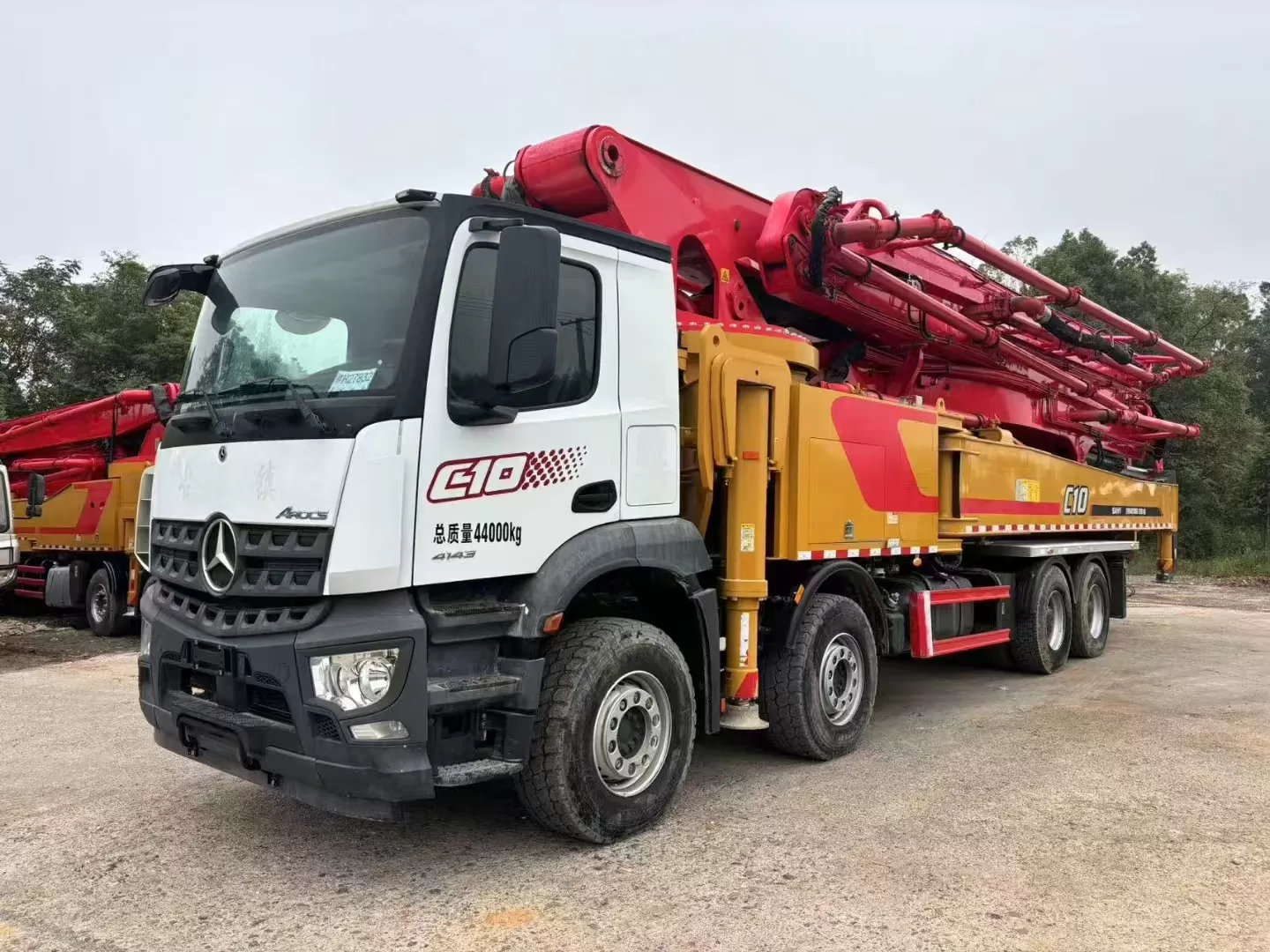
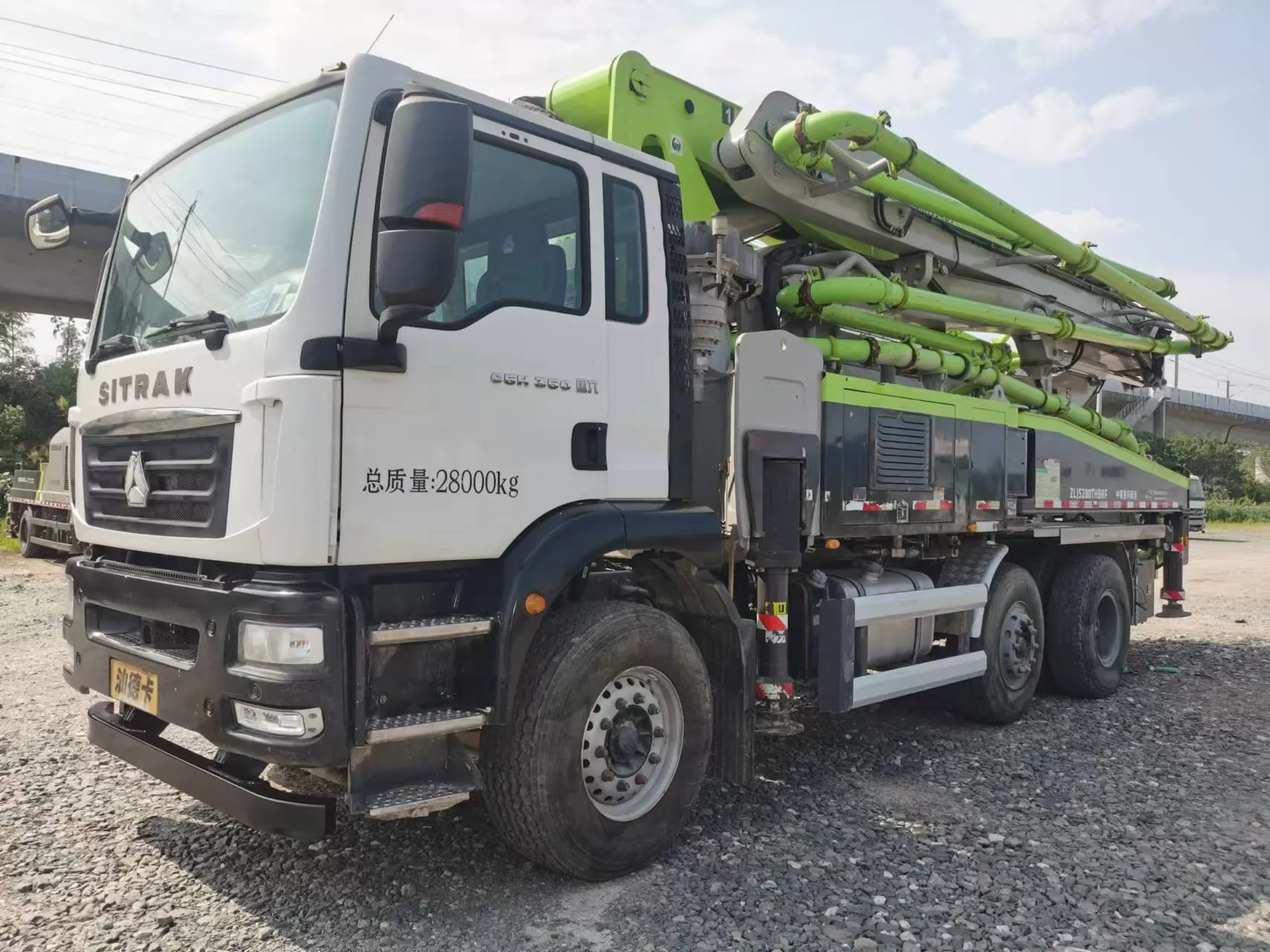
Could you provide more details and pricing for your concrete pump machinery?
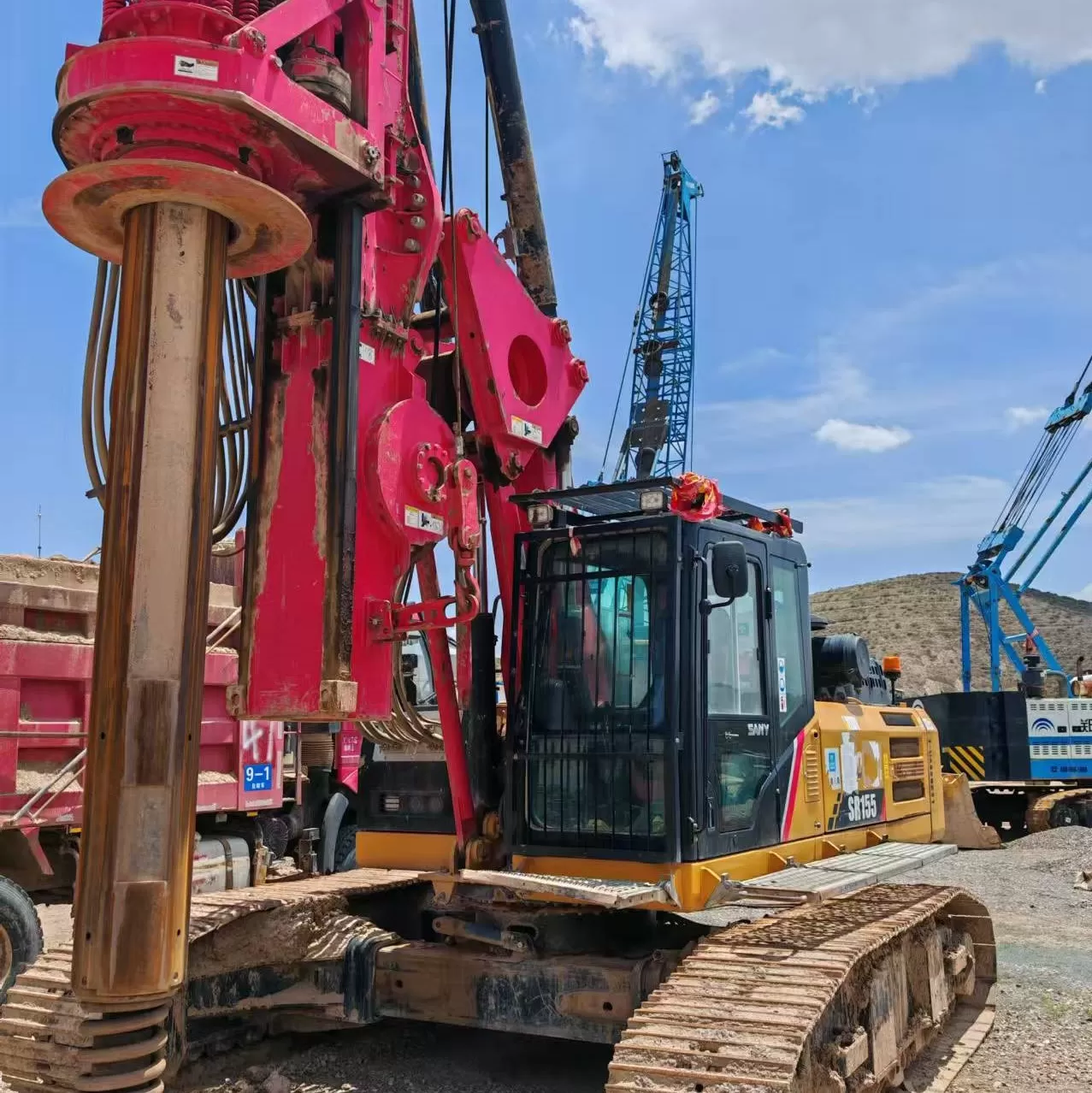
For an upcoming drilling project, we need a rotary drilling rig that’s efficient and can handle de...

 EN
EN en
en FR
FR nl
nl ka
ka ru
ru fa
fa ar
ar az
az pl
pl uk
uk hy
hy tr
tr mk
mk de
de pt
pt el
el es
es it
it sq
sq ky
ky