Your preferred supplier of used construction heavy equipment

You are here: Products»reach loader
One of the standout features of the reach loader is its ability to handle containers in confined spaces. Thanks to its compact design and superior maneuverability, it can navigate narrow aisles and tight docking areas, making it ideal for smaller terminals where space is limited. The reach loader provides flexibility without sacrificing performance, allowing for efficient container stacking and retrieval.
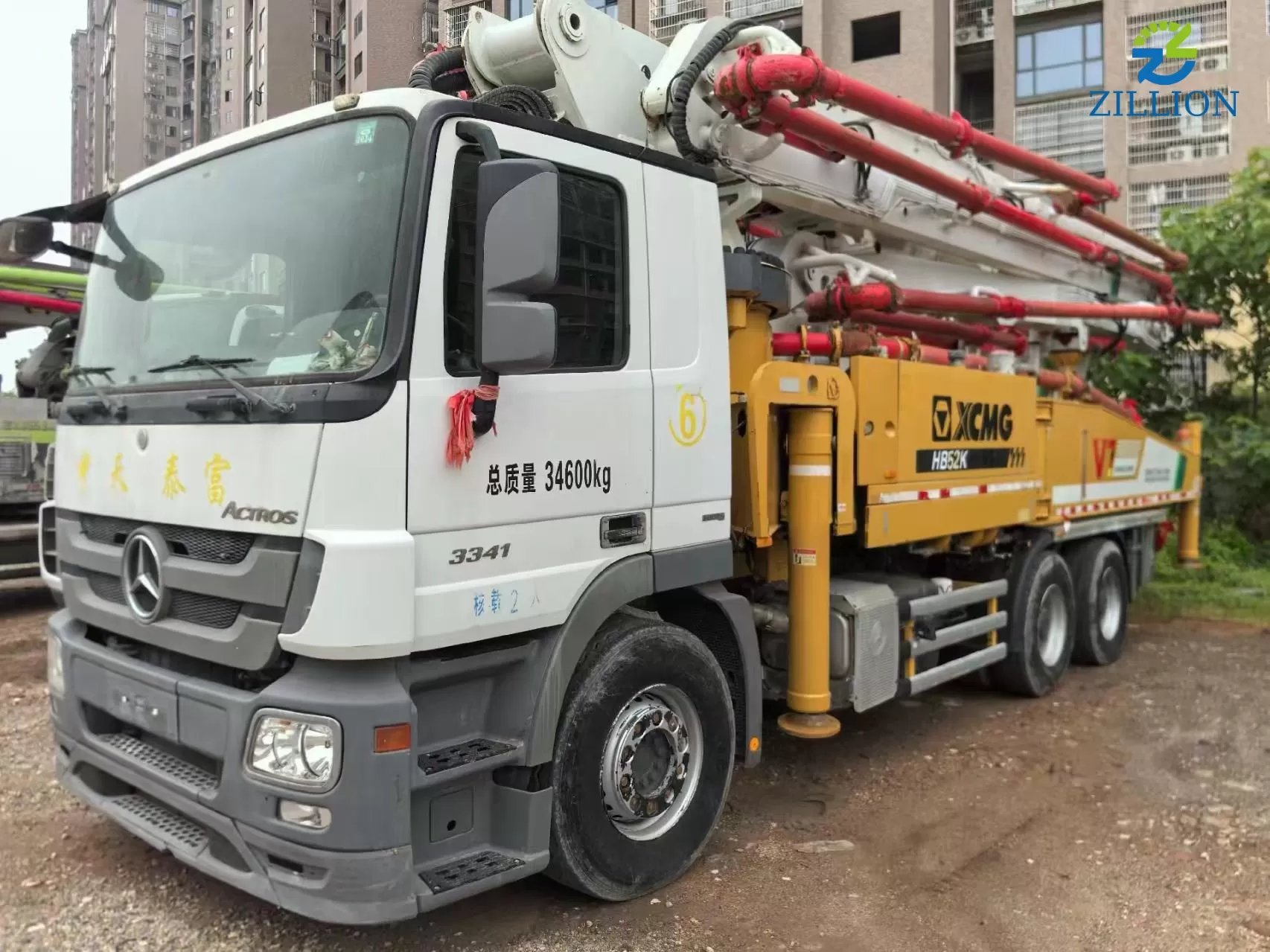
In logistics centers, reach loader helps with cross-docking, where containers are moved fast from one truck to another without staying stored for long. The machine’s speed and reach reduce idle times and ensure smoother cargo flow. This kind of efficiency really matters in fast-paced industries like retail or auto, where any delay in delivery can really cause problems.
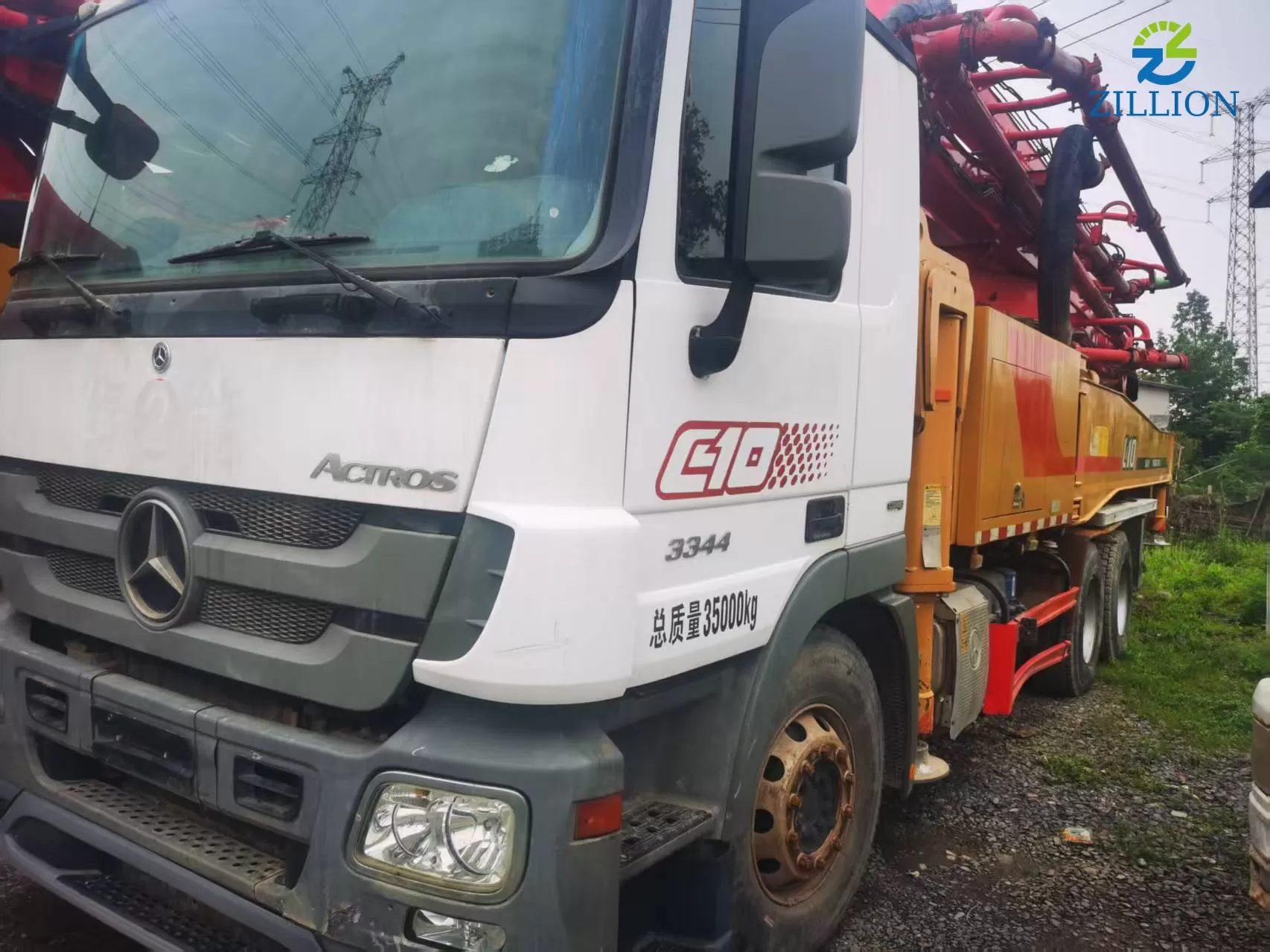
The next generation of reach loader is expected to integrate advanced automation. Self-driving functions and intelligent sensors will allow machines to move containers without direct human control. This will improve safety in busy terminals and reduce accidents caused by human error. Fully automated container yards are no longer just a concept, and reach stackers will play a central role in making them a reality.
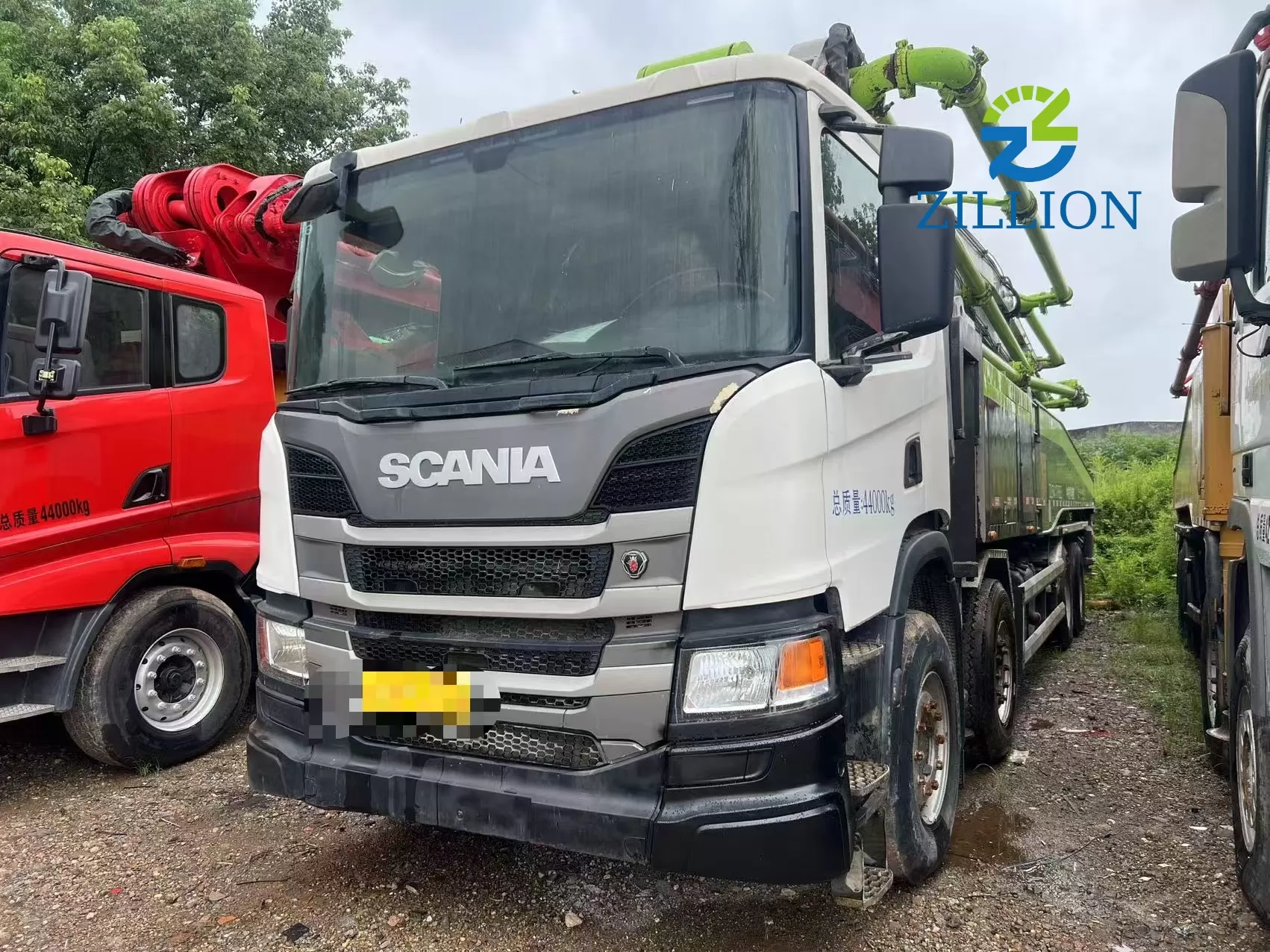
Proper care of lifting attachments is essential for reach loader. Spreaders and locking mechanisms should be tested regularly for alignment and function. Any sign of wear or delayed locking requires immediate service. Well-maintained attachments ensure containers are secured safely, protecting both cargo and operators during handling.
The reach loader are really versatile, handling different container sizes with ease. They’re essential for warehouses, freight yards, and distribution hubs. With a telescopic boom and hydraulic capabilities, it provides impressive lifting height and reach. The reach loader makes it easier to handle containers, so stacking and unstacking happens faster. That cuts down on wait times and helps things run more smoothly.
Q: Can a Reach Stacker be used in tight spaces? A: Yes, Reach Stackers are designed to work efficiently in tight spaces. Their compact design and advanced maneuverability allow operators to move containers in narrow aisles or limited space environments. Q: Is a Reach Stacker suitable for outdoor use? A: Absolutely! Reach Stackers are built to handle outdoor environments, including harsh weather conditions. They’re built tough so they can keep working in ports, container yards, and outside areas where logistics happen. Q: How does a Reach Stacker maintain stability when lifting heavy containers? A: Reach Stackers are equipped with counterweights and a sturdy chassis to ensure stability during lifting operations. Their hydraulic system provides smooth and controlled movements to prevent tipping. Q: Are Reach Stackers equipped with safety features? A: Yes, Reach Stackers come with a variety of safety features, including automatic load monitoring, stability control systems, and operator protection mechanisms. These ensure safe operation during container handling tasks. Q: How long does a Reach Stacker last? A: With proper maintenance, a Reach Stacker can last for 15 to 20 years, depending on usage. Regular servicing and upkeep are essential for maximizing the machine's lifespan.
I’ve been thoroughly impressed with how well this roller performs. It delivers a smooth, even finish on asphalt.
The reach stacker has greatly increased our container handling efficiency.
To protect the privacy of our buyers, only public service email domains like Gmail, Yahoo, and MSN will be displayed. Additionally, only a limited portion of the inquiry content will be shown.
Need a mobile crane with powerful lifting capacity for your next job.
Could you provide the specifications and pricing for your stationary concrete pumps? Are spare parts...

 EN
EN en
en FR
FR nl
nl ka
ka ru
ru fa
fa ar
ar az
az pl
pl uk
uk hy
hy tr
tr mk
mk de
de pt
pt el
el es
es it
it sq
sq ky
ky