
 EN
EN en
en FR
FR nl
nl ka
ka ru
ru fa
fa ar
ar az
az pl
pl uk
uk hy
hy tr
tr mk
mk de
de pt
pt el
el es
es it
it sq
sq ky
ky
Trailer Pump VS Boom Pump: Which Concrete Pump Is Best for Your Project
Concrete pumps are one of the most important and indispensable equipment for modern construction projects since they allow for efficient, precise, and uninterrupted pouring of concrete. The decision about the right type of pump will greatly affect project time, cost, and in some cases, even safety.
What Is a Trailer Pump?
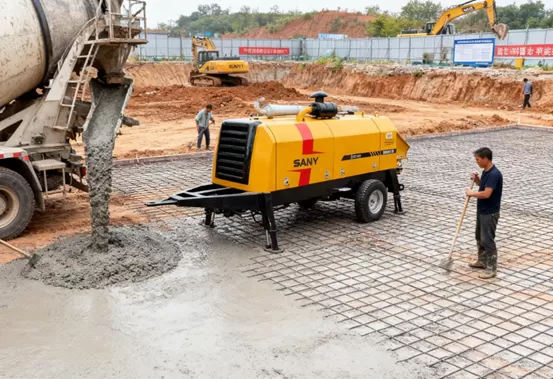
A trailer pump, which is also referred to as a line pump, is a concrete pump that is placed on a trailer and is used to transport concrete from the hopper to the location where it will be poured using flexible hoses or steel pipelines.
Trailer pumps are a very good choice because of their small size, being portable, and having the ability to be used in different ways. They are the best choice for the small- to medium-scale projects, such as residential foundations, sidewalks, and driveways. They additionally have lower purchase and maintenance costs than boom pumps. Nevertheless, since trailer pumps depend on manually connecting hoses during the setup, they are more labor- and time-consuming, and have a lower output rate.
What Is a Boom Pump?
A boom pump, mounted on a truck with a hydraulically controlled extendable arm, automatically delivers concrete to high or hard-to-reach areas, making it ideal for large-scale projects like bridges or high-rises.
Boom pumps allow quick, accurate, and automated concrete placement. Their need for manual labor is greatly lessened and through them large pours can be done in a very short time. But, the factors such as advanced design and higher capacity have made them more expensive to buy and care for. Besides, they need a considerable amount of space for operation and setup. For large construction sites where speed, volume, and reach are significant, a boom pump gives the best results and the highest productivity.
Trailer Pump vs Boom Pump: Key Differences
Trailer pumps are economical, flexible, and ideal for projects requiring mobility and very detailed control over the concrete placement. They can be used even in places with less access or in uneven terrain. On the contrary, boom pumps are made for speed, long-distance delivery, and very little manual handling.
In operation, trailer pumps use hoses that need to be laid down and cleaned after each job, while boom pumps use hydraulic booms which provide instant reach and faster setup. In terms of cost, trailer pumps are more budget-friendly options, while boom pumps require higher investment but provide superior performance on large construction sites.
Which Pump Is Right for Your Project?
Choose a trailer pump for small-scale or indoor projects with limited space—it’s practical and cost-effective.
For huge construction sites need boom pump as their main features are speed, accuracy, and height coverage.
Both machines in the hand of the exporters and the buyers get the most out of them when properly taken care of. Exporters with a good reputation carry out inspections and do necessary servicing and even refurbishing on used concrete pumps to offer long-term reliability and cost-effectiveness. This, in turn, enables the contractors to have professional-grade results without having to buy new machines.
Buying Used Concrete Pumps: Major Points
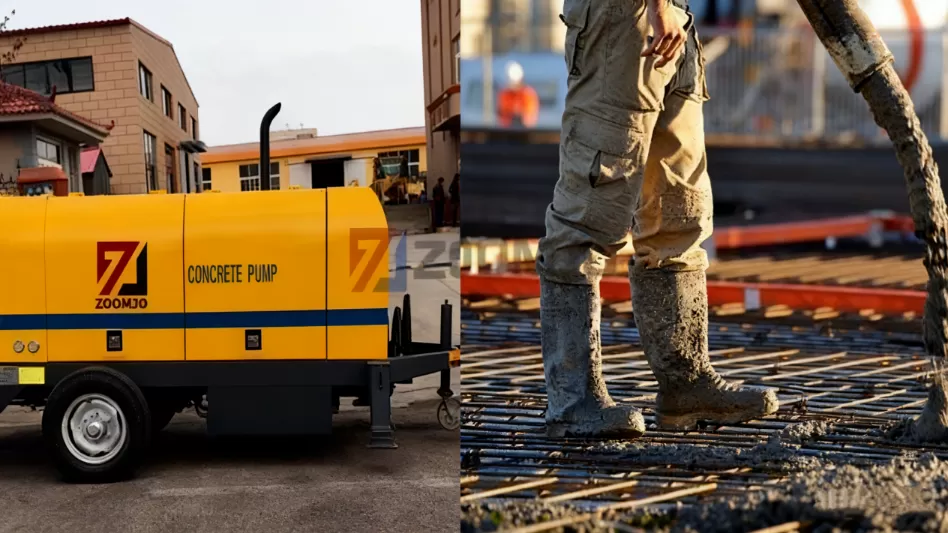
Before purchasing a used concrete pump, check the hydraulic system, wear parts, maintenance history, and ensure its capacity fits your project needs. It is wise to work with a seasoned exporter who will help you to get not only the well-tested but also the best quality machines that come with inspection, refurbishment, and worldwide shipping support. The reliable suppliers are usually dealing with brands like Putzmeister, Schwing, and Sany which guarantees the durability of the equipment and strong after-sales support.
Making the Right Investment
Each of the trailer pumps and the boom pumps have their own pros and cons, the right choice is determined by the scale and needs of your project. Small operations will rely on the flexibility and cost savings offered by trailer pumps, while boom pumps will be the choice for large or elevated structures because of their speed and convenience.
FAQs about Concrete Pumps and Their Applications
1. What is the main difference between a trailer pump and a boom pump?
A trailer pump uses hoses to transport concrete, while a boom pump uses a hydraulic arm to place concrete precisely at greater heights or distances.
2. Which type of pump is best for residential projects?
Trailer pumps are typically preferred for residential or small-scale projects because they are more compact and affordable.
3. Are used concrete pumps reliable?
Yes, when sourced from reputable exporters who inspect and refurbish equipment, used concrete pumps can deliver excellent performance and longevity.
4. What should I check before buying a used concrete pump?
Inspect the hydraulic system, wear parts, and maintenance records to ensure safe and efficient operation.
5. Why work with an experienced exporter?
A professional exporter guarantees quality inspection, competitive pricing, and secure global shipping for both trailer and boom pumps.


